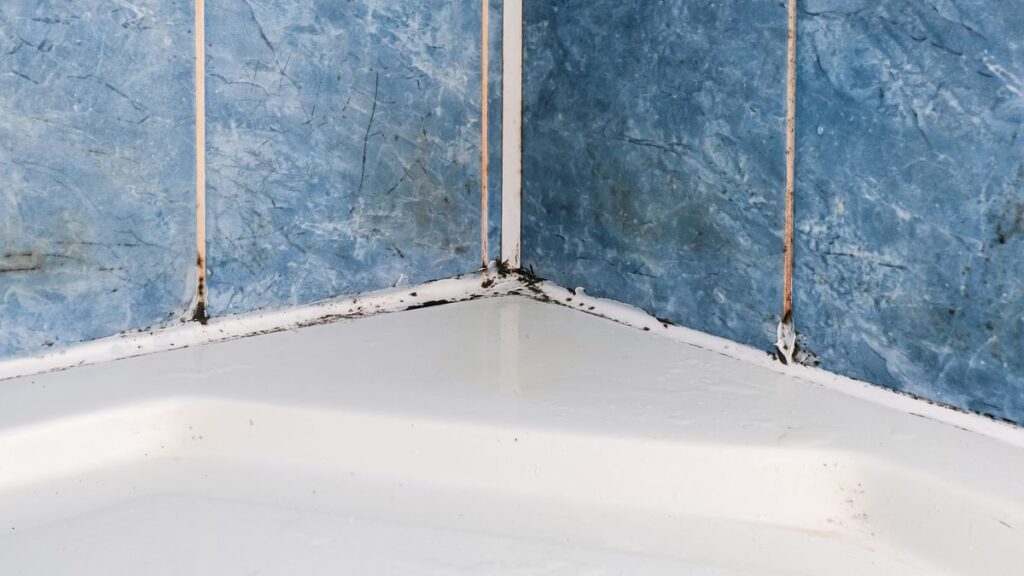
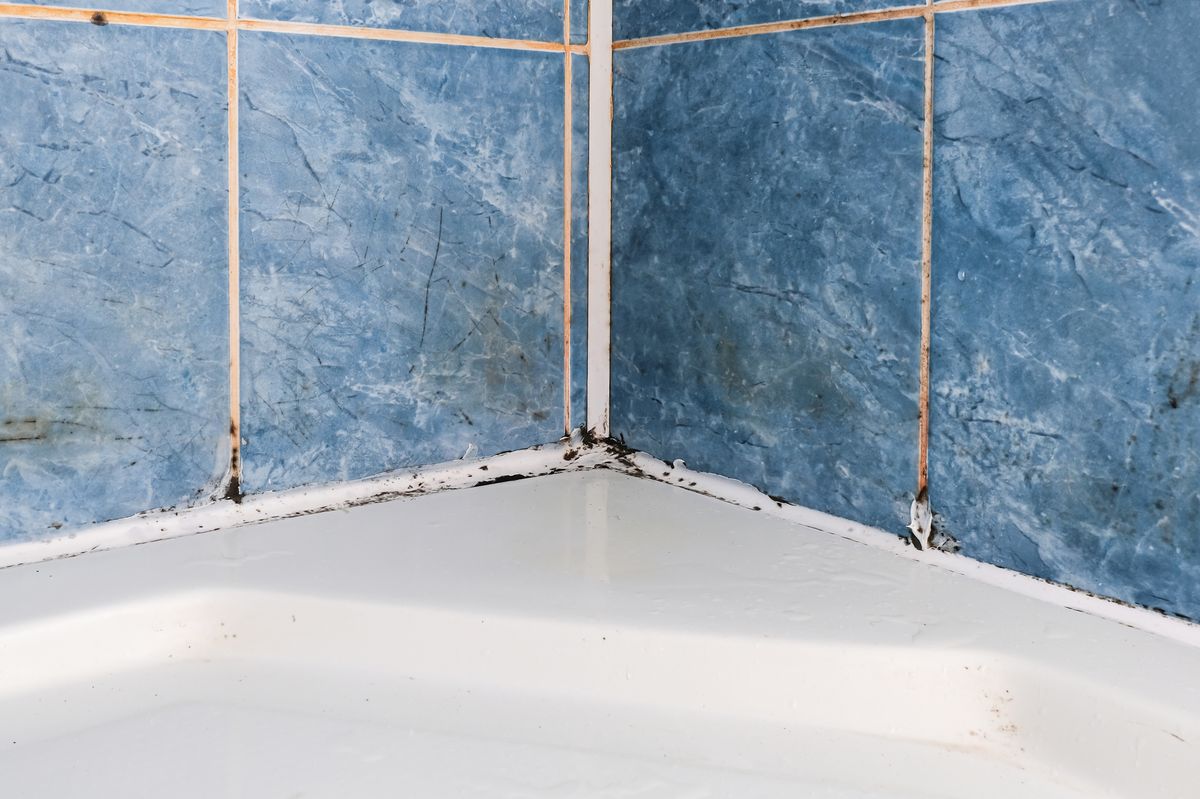
Silicone sealants are prone to black mould, but you don’t always need chemicals to remove the stains.
Silicone sealant is a form of adhesive used to create a water- and airtight seal at the joint between two surfaces, and they are usually found around showers, bathtubs and windows. When your silicone is wet or damp and there are soap deposits, this encourages mould growth, which in turn causes your silicone to turn black.
Mould can cause your silicone to work improperly or render it useless. This growth is unsightly, but more than that, it’s stubborn, so it can often seem impossible to clean.
While there are many mould killer sprays available in supermarkets that can remove these stains quickly, they often contain bleach and may not always be the safest option to use.
UK sealant company GT Sealants have shared how to make removing black mould from your silicone “quite easy” with baking soda.
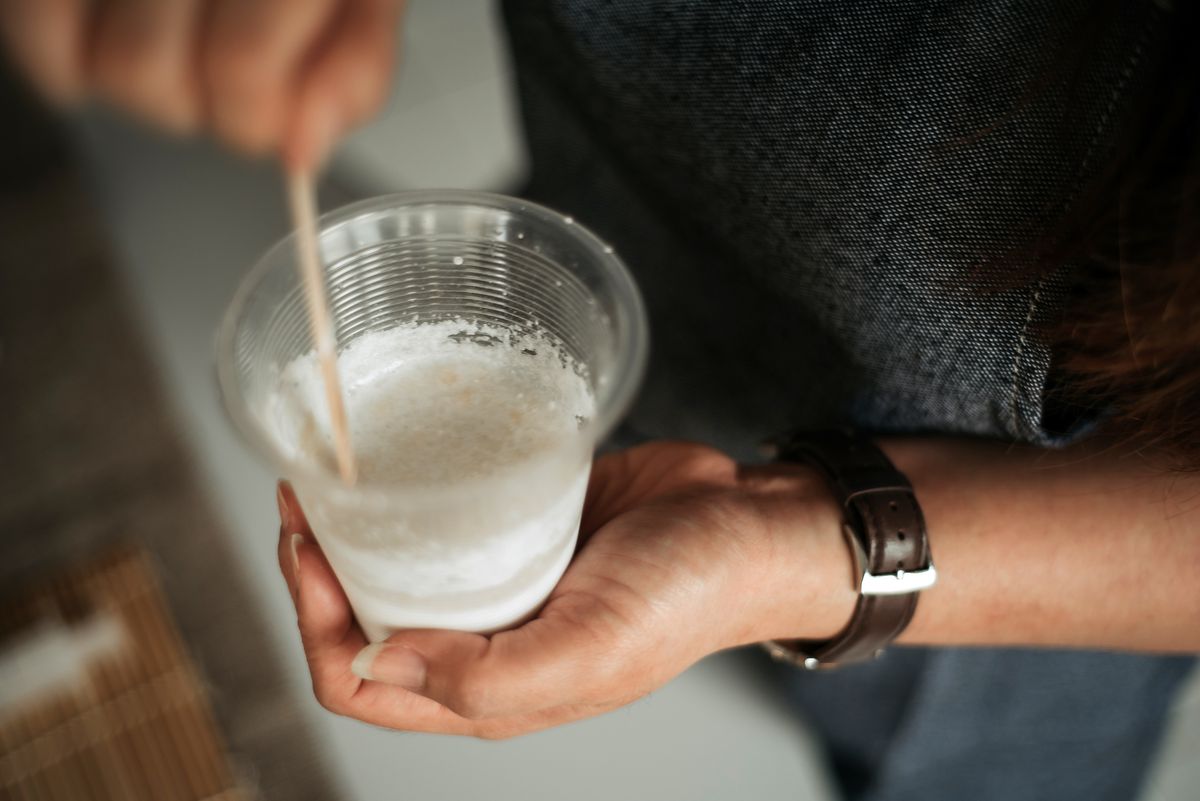
The first thing you want to do is to create a paste using baking soda. Baking soda is an “excellent, cheap, and convenient” material to use. They claimed that mixed with water, it is “perfect for removing black mould”.
Add two or three teaspoons of baking soda to one cup of water and mix until you have a paste. Using a piece of cloth, scoop out a small piece of paste and apply the paste to the affected black mould area.
It’s tempting to rub the paste on and expect instant results, but the experts explained that it doesn’t work like that. They said: “The baking soda mixture needs some time to settle on the black mould and do its work.”
Apply the paste and leave it for five minutes. It’s also a good idea to wrap the silicone in cling film to hold in the moisture.
After five to 10 minutes, take off the plastic wrap and use a brush or an old toothbrush to remove the black mould.
The next step is to use some cool water to sponge and rinse the sealant to remove any last traces of the black mould.
You may need to repeat the process a few times if the stains haven’t disappeared. Sometimes black mould on silicone can be persistent; after all, it’s in the nature of silicone to be tough and resilient
Once all of the mould has been removed, remember to dry it off with a clean, dry cloth or towel. This is an important final stage that is often overlooked by those wanting to finish up the job and go inside. Drying the silicone “prevents any more mould from forming”.
Source link