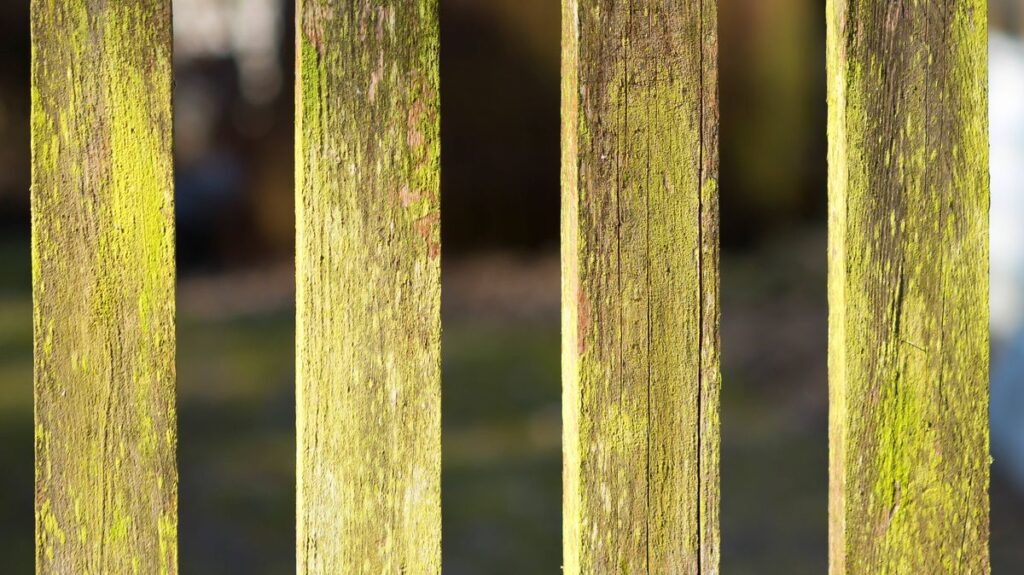
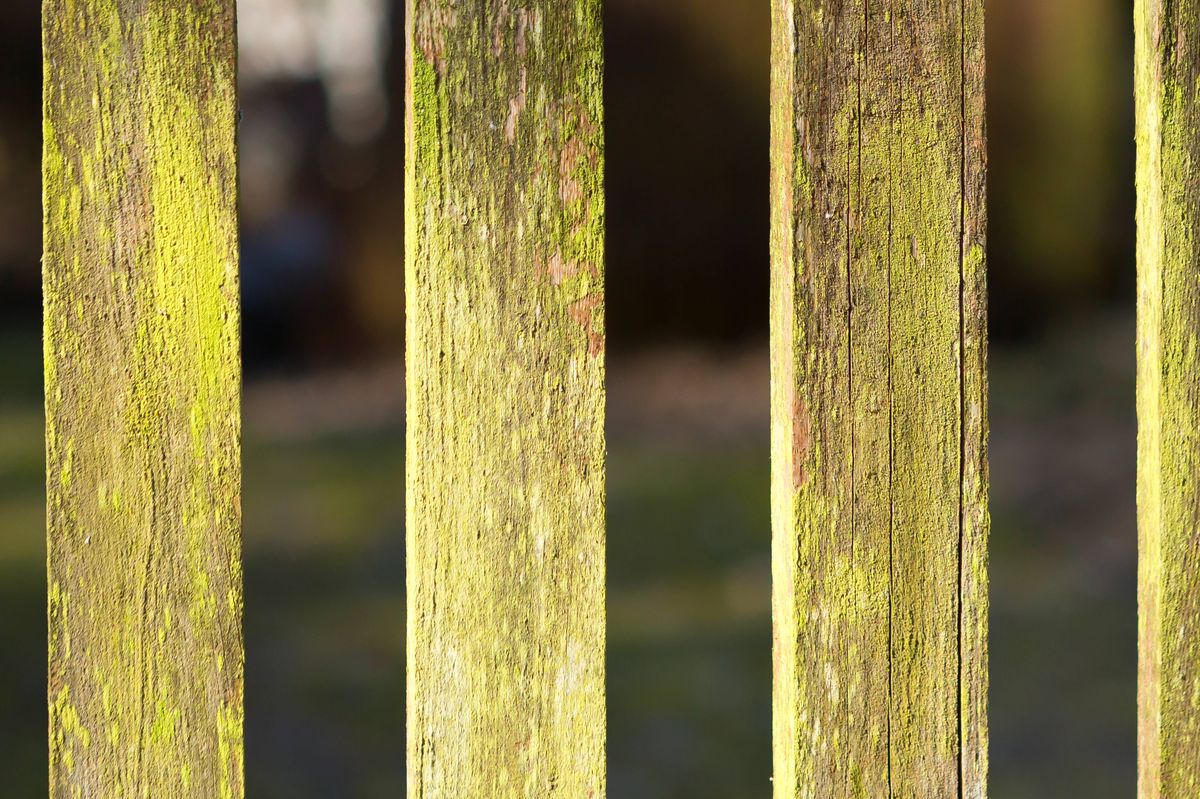
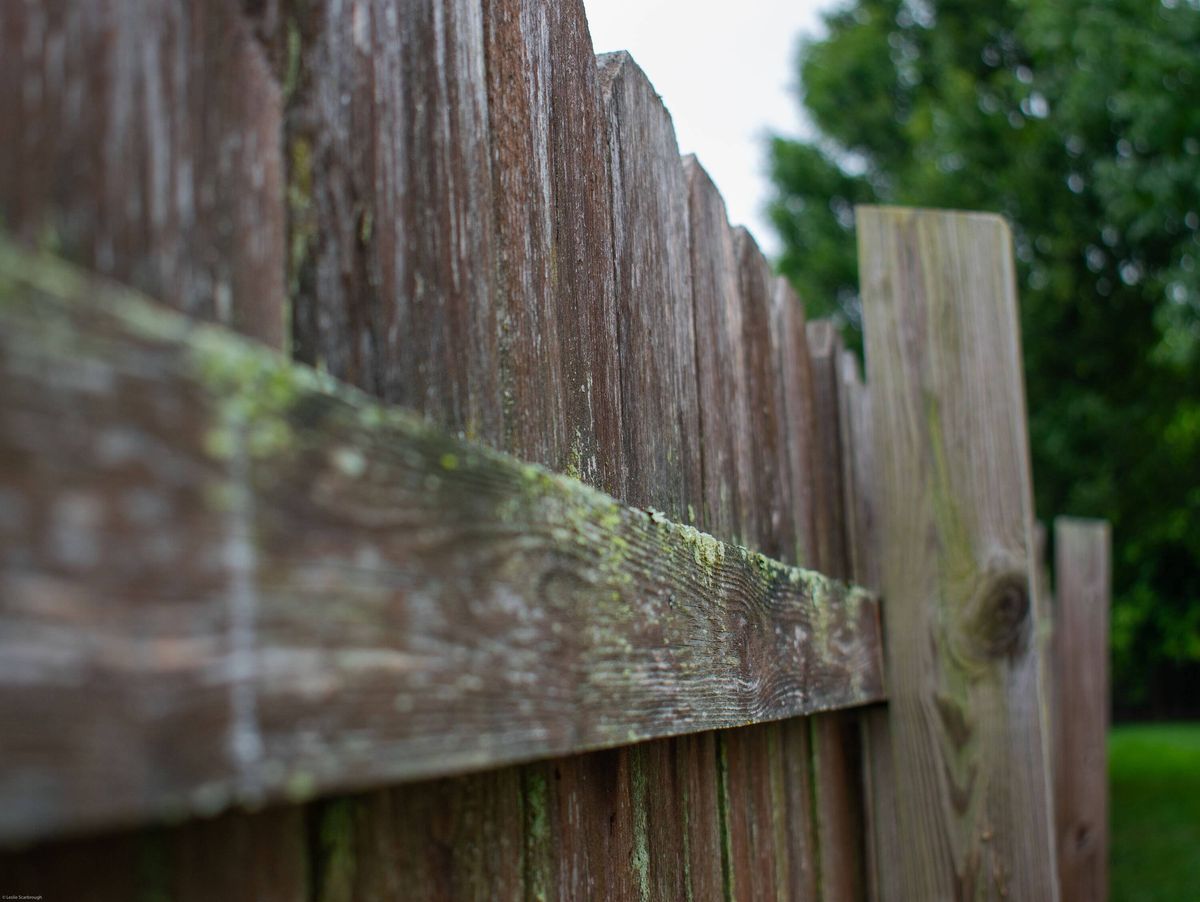
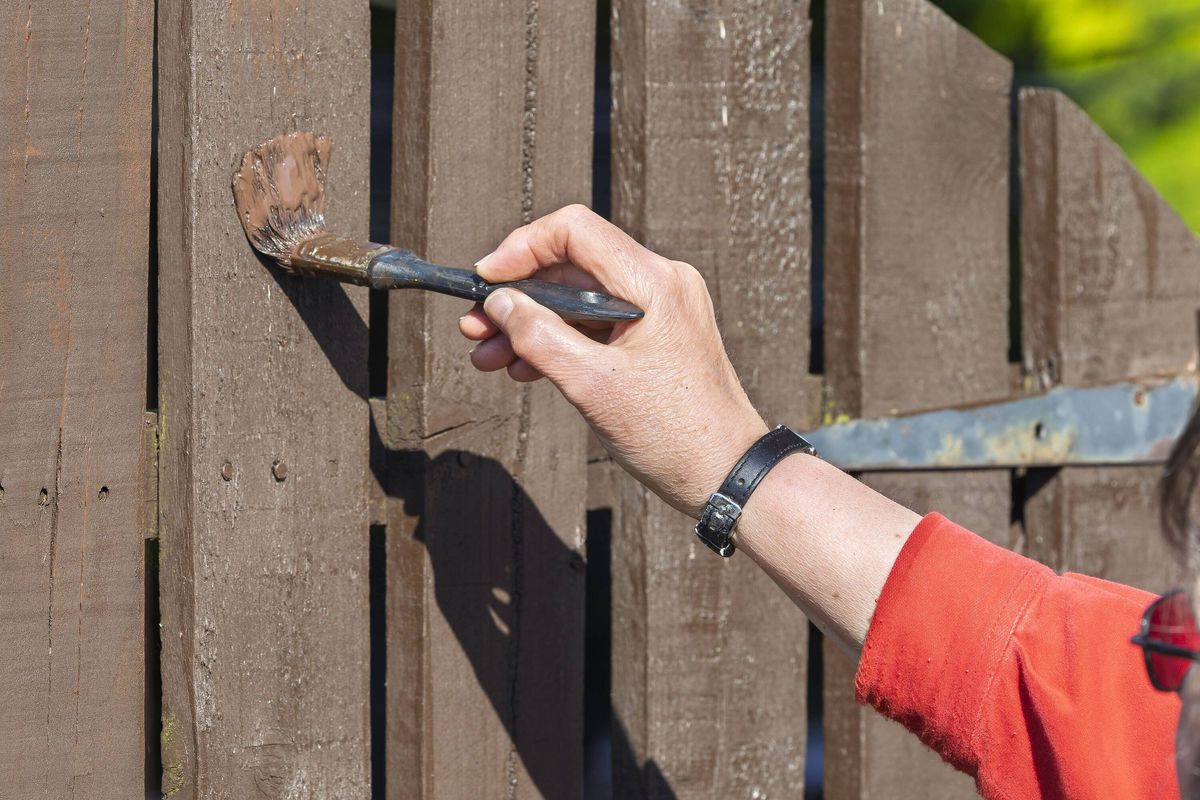
Green algae can be a real problem for garden fences, but there’s a simple way to remove it
Having a garden involves a whole host of tasks to keep on top of. But some of the most effective ways to make your outdoor space look brighter and more inviting have nothing to do with planting – it’s all about giving things a good clean.
Your garden fence frames your entire outdoor area, so keeping it in good condition is essential. Green algae can be a particularly bad issue, leaving unsightly stains on the wood and making your fence look neglected. Fortunately, tackling it couldn’t be simpler and all you need is one cheap cupboard staple.
Gardening specialists at B&Q warn that green algae is far more than just an eyesore – it can gradually deteriorate the wood of your garden fence, potentially leading to expensive repairs down the line. As summer approaches, the last thing anyone wants is to fork out more cash fixing winter damage.
Fences situated in shaded areas are particularly susceptible to algae growth, while nutrients in the wood and moisture from nearby plants can further encourage it to spread.
The good news is that a simple bottle of white vinegar, available from as little as 57p at Asda, can quickly sort the problem, reports the Express.
How to clean a garden fence
For wooden fences, a straightforward white vinegar solution will effectively remove any grime and algae. If you have a composite or metal fence, make sure any products used won’t cause damage to the finish.
Mix one part white vinegar with one or two parts water, increasing the vinegar-to-water ratio for particularly bad fence panels. After preparing your mixture, you’re ready to treat the fence. Before starting, tie back and protect any neighbouring plants to prevent accidental damage. Wear protective gloves and goggles as well for additional safety.
Use either a sponge or spray bottle to apply the solution. The B&Q experts suggest testing it on a small section first to ensure it won’t harm the fence panel.
Begin at the top and work downwards, allowing the solution to stay on the panel for 10-15 minutes but make sure it doesn’t dry out.
Next, take a sponge or brush and work the cleaner into the fence panel using circular motions. Tackle small sections at a time until the green residue begins to disappear.
After you’ve worked your cleaning mixture into the fence panels, rinse them thoroughly with a hose to eliminate all remnants of the solution and avoid streaking or potential damage.
Source link