FG Pushes Digital, Skills-Based Education Reforms on International Day of Education

The Federal Government has said it is restructuring Nigeria’s education system to focus more on digital learning, practical skills and youth participation as part of wider reforms aimed at preparing students for future opportunities.
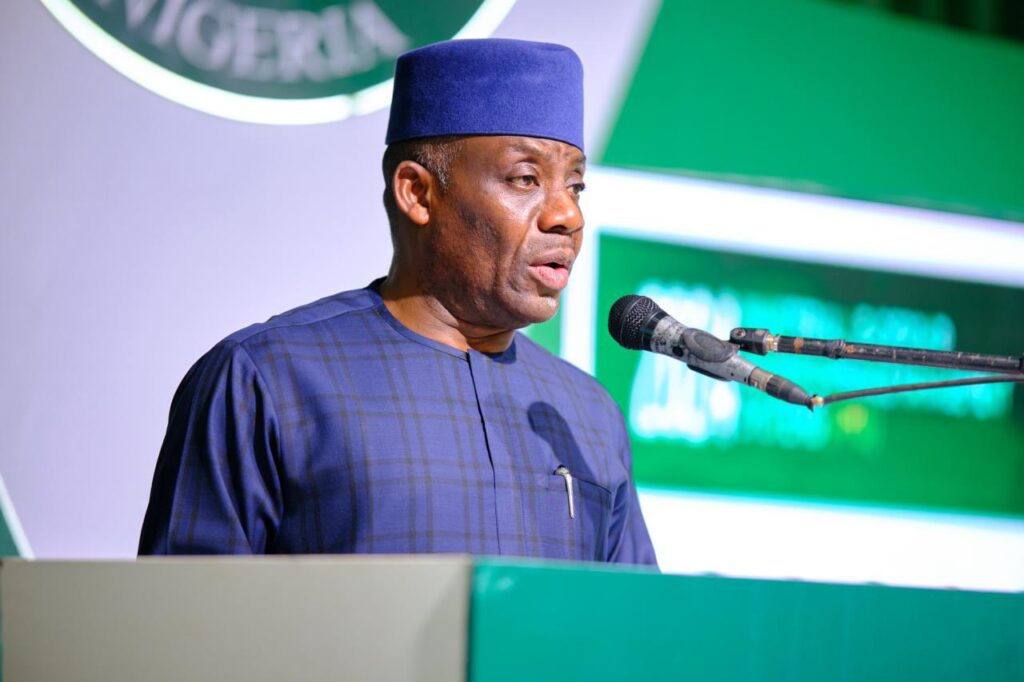
Minister of Education, Dr Tunji Alausa, made this known during the 2026 International Day of Education celebration, which was themed “The Power of Youth in Co-creating Education.”
According to the minister, education remains critical to national growth, but Nigeria and many other countries still face challenges such as limited access to quality schooling, poor learning outcomes, skills gaps and gender inequality.
He said the reforms being implemented by the Ministry of Education are in line with President Bola Tinubu’s Renewed Hope Agenda, which places education at the centre of economic development and social progress.
Alausa explained that funding for the sector has improved through government budget allocations, alternative financing and partnerships with development organisations.
He listed key projects under the current Education Transformation Roadmap to include curriculum review, expansion of digital learning platforms, training teachers in modern teaching methods and artificial intelligence, increased support for technical and vocational education, improved infrastructure and the introduction of a National Anti-Bullying Policy.
The minister said the goal is to make education more relevant to the labour market, especially as more than half of Nigeria’s population is under the age of 30.
He added that the government is moving away from traditional top-down teaching systems and embracing a more inclusive model that allows students to help shape educational outcomes through innovation centres, digital tools and feedback systems.
Among achievements already recorded, he mentioned the rollout of the Nigerian Education Sector Renewed Initiative, expansion of Technical and Vocational Education and Training (TVET), wider enrolment in medicine, science, technology, engineering, mathematics and nursing programmes, and broader scholarship opportunities.
He also highlighted student venture funding, support for education workers, stronger data transparency, faster digital learning expansion, and targeted programmes for out-of-school children and Almajiri pupils.
On access and inclusion, Alausa said the government has continued efforts to integrate vulnerable children into formal and informal learning systems, while expanding support for girls’ education through the AGILE programme and the LUMINAH 2030 Initiative.
He added that school safety systems have been improved and quality assurance strengthened across all levels of education.
The minister called on parents, communities, private organisations, civil society groups and the media to work with government in establishing innovation hubs and skills centres across the country.
He said empowering young people to help shape education reforms would not only improve classrooms, but also secure Nigeria’s future, strengthen unity and unlock the talents of the next generation.
Alausa also praised teachers for their continued contributions and encouraged students to remain actively involved in education policy discussions and innovation efforts.
The International Day of Education is observed globally every January 24 to promote the importance of learning in building peaceful and prosperous societies.