

As pollen counts often soar across the UK during summer, hay fever sufferers can find relief using these simple methods
Hayfever is a common allergy that leaves countless sufferers sneezing, coughing and rubbing their eyes. There’s no cure, but there are some nifty tricks that could spare you from a thoroughly miserable day.
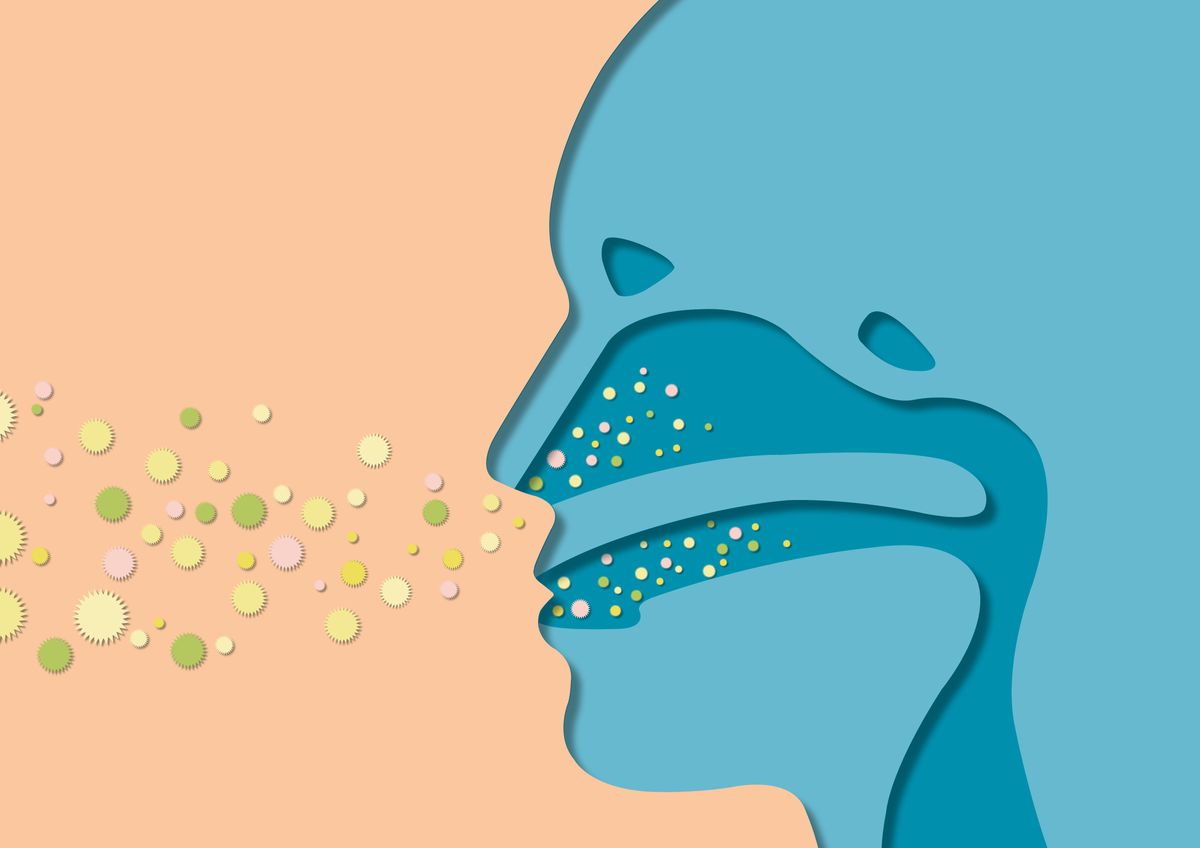
Hayfever is essentially an allergic reaction to pollen – the fine powder released by plants. It’s typically set off when pollen makes contact with the mouth, nose, eyes or throat.
The NHS says many sufferers find their symptoms tend to be at their worst between late March and September, particularly during warm, humid and breezy conditions. This is the period when the pollen count reaches its peak.
While there is no cure and it cannot be prevented entirely, there are steps you can take to alleviate your symptoms whenever the pollen count is running high.
In one of its tips, the health service urges people to “put petroleum jelly (such as Vaseline) around your nostrils to trap pollen”. You should also “wear wraparound sunglasses, a mask or a wide-brimmed hat to stop pollen getting into your nose and eyes.”
As well as this, the NHS suggests that anyone with hay fever should:
- Shower and change your clothes after you have been outside to wash pollen off
- Keep windows and doors shut as much as possible
- Vacuum regularly and dust with a damp cloth
- Try to use a pollen filter in the air vents of your car, if you have one, and a HEPA filter in your vacuum cleaner
You should not:
- Cut grass or walk on grass
- Spend too much time outside
- Keep fresh flowers in the house
- Smoke or be around smoke – it makes your symptoms worse
- Dry clothes outside – they can catch pollen
- Let pets into the house if possible – they can carry pollen indoors
What are the symptoms of hay fever?
Symptoms of hay fever include:
- sneezing and coughing
- a runny or blocked nose
- itchy, red or watery eyes
- itchy throat, mouth, nose and ears
- loss of smell
- pain around the sides of your head and your forehead
- headache
- feeling tired
Should I see a GP?
You should consult your GP if your symptoms worsen or don’t improve after using medication from the pharmacy.
The NHS explains: “The GP might prescribe a steroid treatment if you have hay fever. If steroids and other hay fever treatments do not work, the GP may refer you for immunotherapy.
“This means you’ll be given small amounts of pollen as an injection or tablet to slowly build up your immunity to pollen. This kind of treatment usually starts a few months before the hay fever season begins.”
Source link