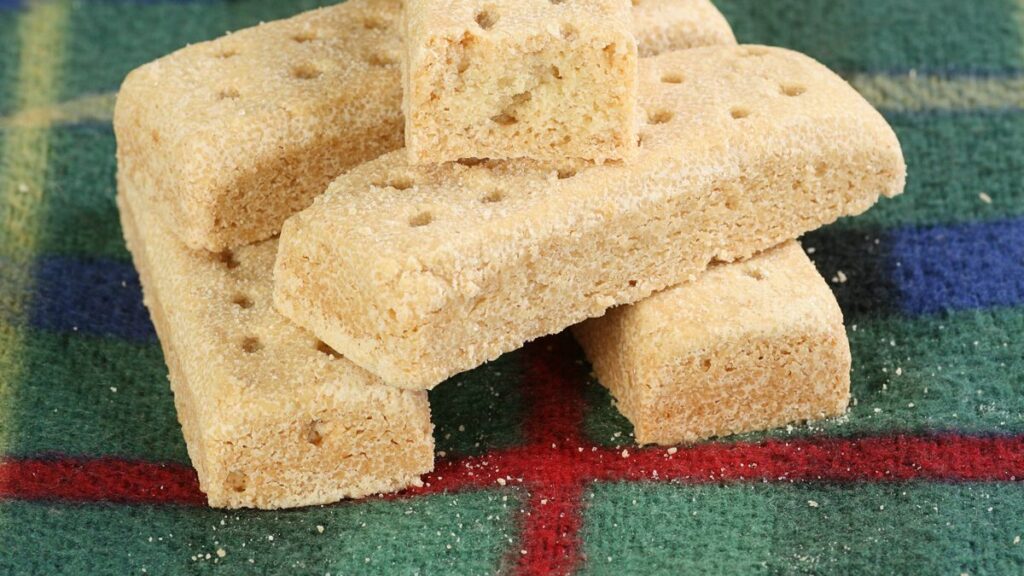
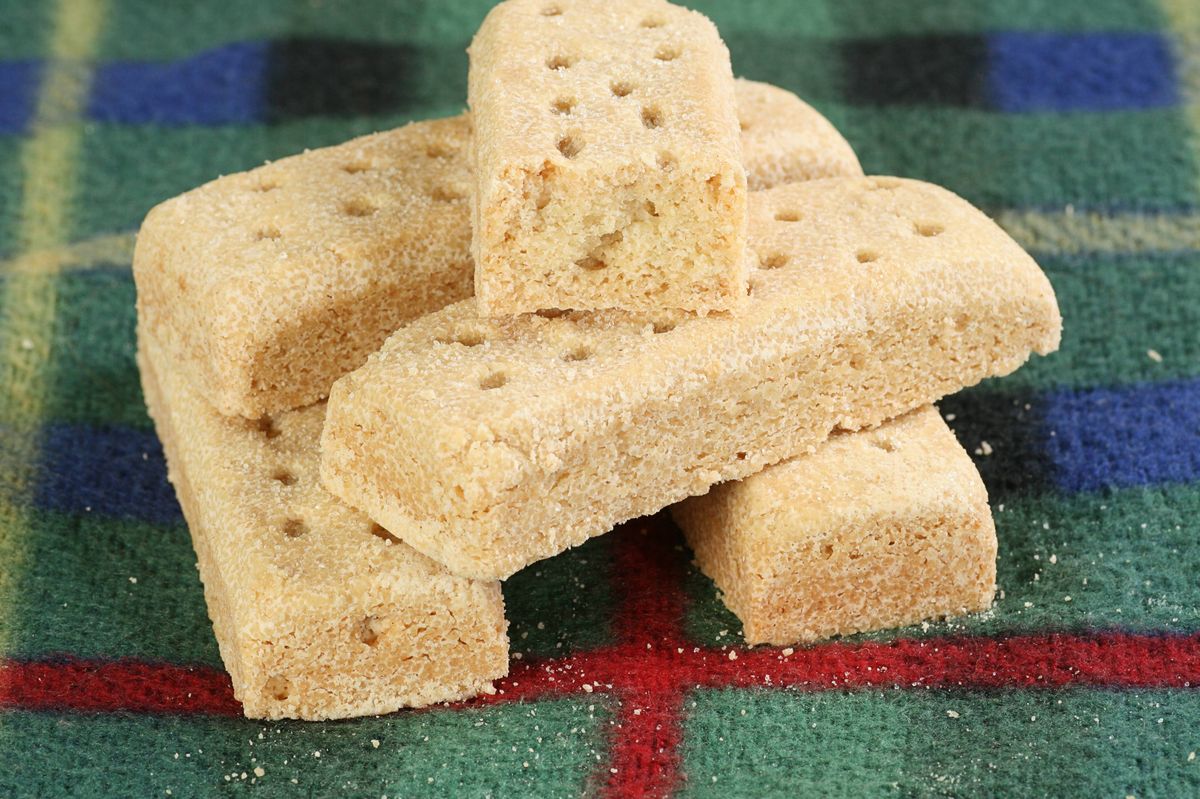
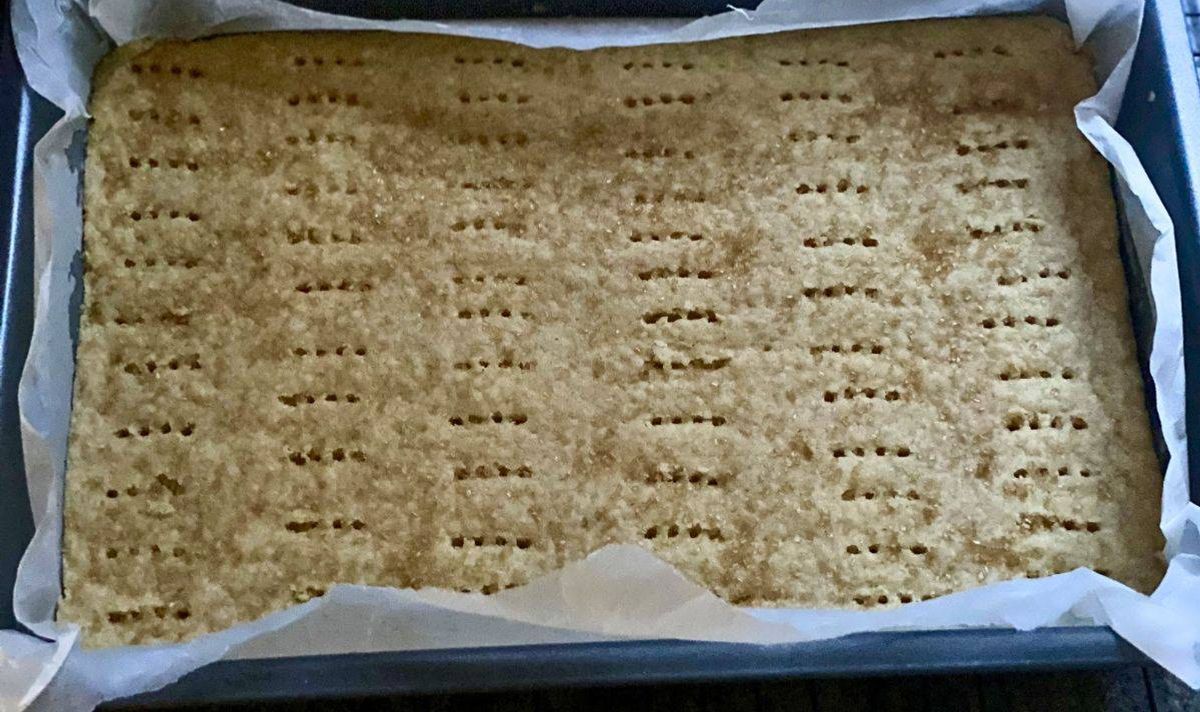
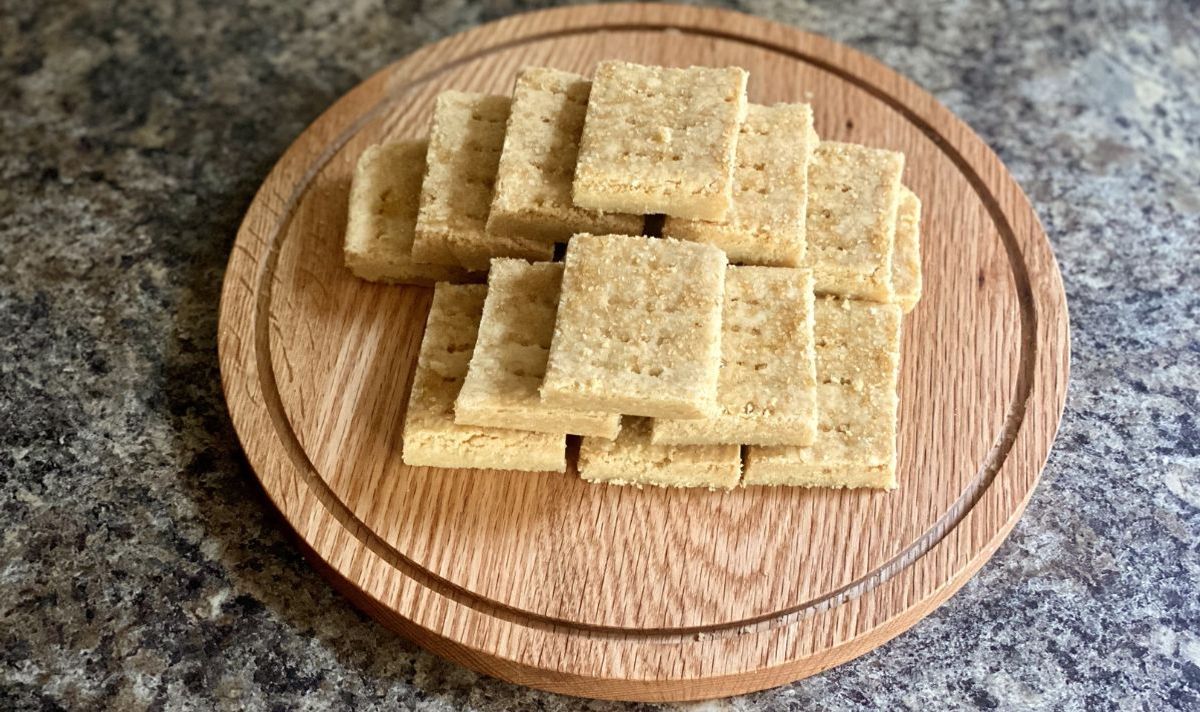
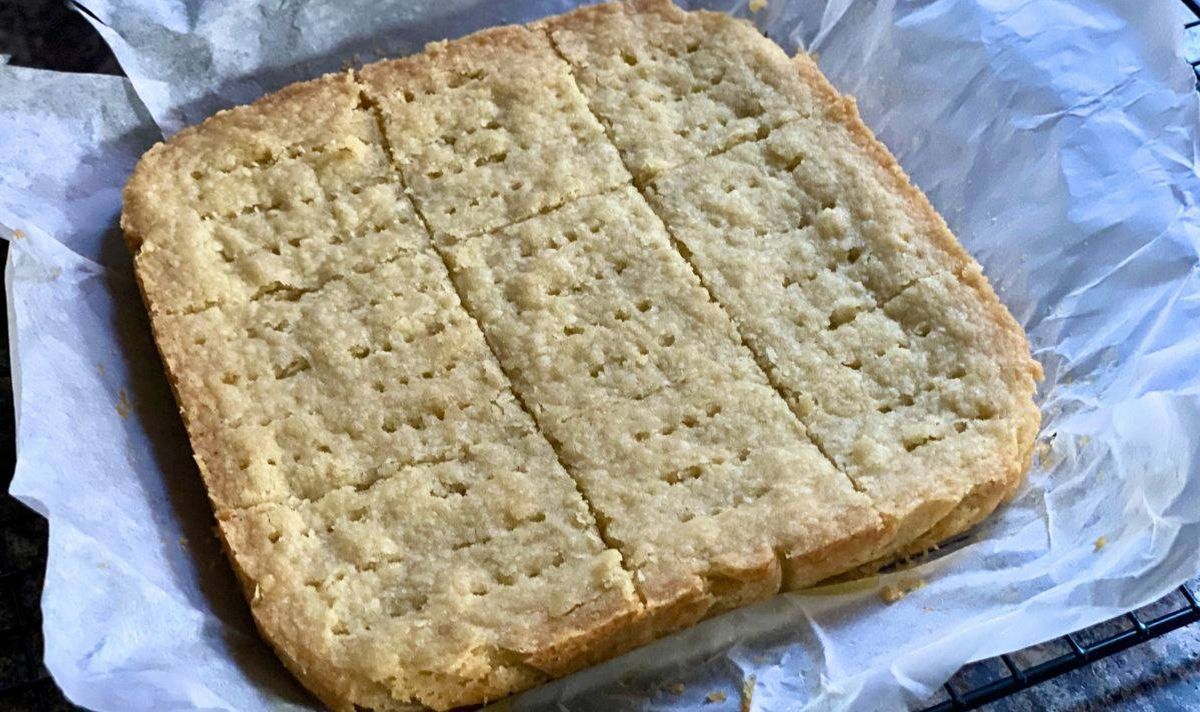
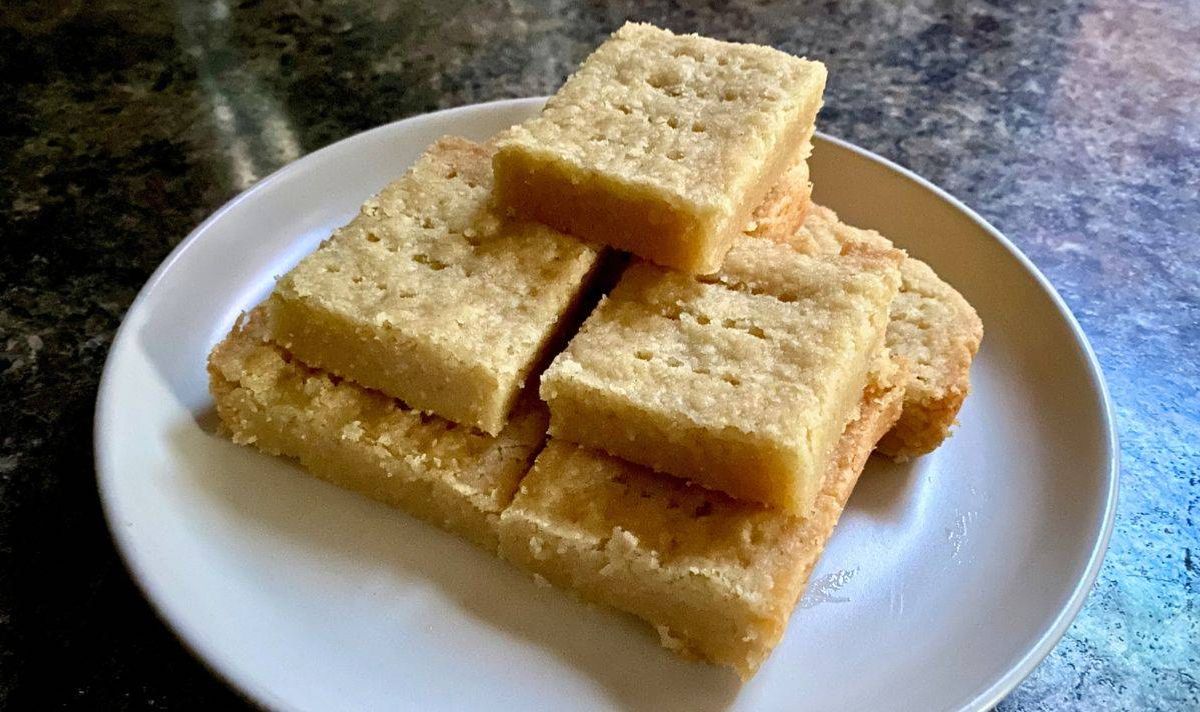
I made a traditional Scottish shortbread from ex-bakery owner Jules Grasekamp to Mary Berry’s to see how they compare.
There’s something about homemade biscuits that simply tastes far superior to shop-bought ones. Yes, it requires a little more effort, but once you’ve had a go at making shortbread, you’ll struggle to find a quicker or easier way to enjoy a biscuit alongside your cuppa.
Shortbread is a classic Scottish crumbly biscuit that couldn’t be more straightforward, typically made from just sugar, butter and plain flour.
No fancy gadgets are needed — just a suitably sized mixing bowl, a baking tray and your hands.
Having made shortbread on numerous occasions, two recipes that particularly stand out are from Scottish ex-bakery owner Jules Grasekamp and Mary Berry. Between the two, there was a clear winner when it came to that melt-in-the-mouth quality.
Mary Berry’s shortbread recipe
While traditional shortbread calls for nothing more than butter, flour and sugar, Mary opts to introduce a fourth ingredient: semolina.
She favours combining semolina and flour to give the shortbread a satisfying crunch, though she also suggests that cornflour or ground rice work equally well as substitutes.
I found that the semolina lent a pleasantly sweet, subtly nutty flavour alongside an additional crunch to the finished biscuit.
This recipe does demand a bit more time, as the dough needs a spell in the fridge to chill, and the cooking itself takes longer given that Mary Berry recommends a lower oven temperature.
While the semolina certainly enhanced both the flavour and texture, the biscuit did feel slightly on the dry side — not exactly what you’d hope for from a classic shortbread.
Classic Scottish Shortbread from Jules Grasekamp
This shortbread recipe captures everything you’d want from the perfect batch — thick, crumbly, and utterly divine with every single bite.
Requiring just three ingredients, it couldn’t be simpler to whip up yet delivers on both flavour and satisfaction every time.
The secret to nailing this recipe lies in ensuring your butter is at room temperature and avoiding overworking the dough — otherwise, you’ll lose that wonderfully crumbly consistency.
Beyond its outstanding taste and texture, this recipe takes just 30 minutes to bake, and there’s no requirement to rest the dough in the fridge beforehand.
Source link