

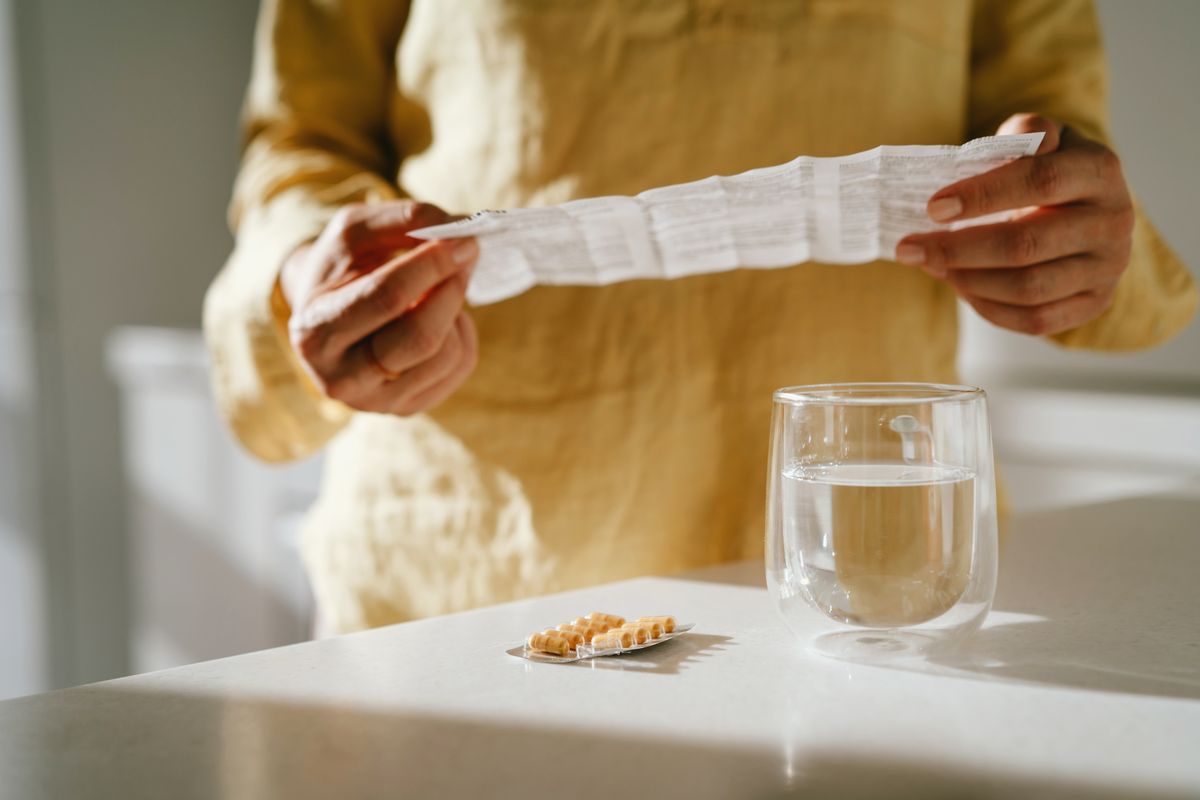

Women looking to get pregnant may also want to consider taking it
If you want to conceive or are currently pregnant, you may benefit from a key vitamin. That’s according to the NHS.
The National Health Service (NHS) states that folic acid is a synthetic form of folate, a vitamin also known as vitamin B9. Folate supports the production of healthy red blood cells and naturally occurs in a variety of foods, such as broccoli.
People take the vitamin for a number of reasons, including pregnancy. The health service states: “It’s recommended you take folic acid as soon as you start trying for a baby (ideally for 3 months before) and during the first 12 weeks of pregnancy. This will help your baby’s brain and spine to develop normally.”
Pregnant women can also “take folic acid after 12 weeks.” It notes that the vitamin helps to produce red blood cells. “Your doctor or midwife may recommend that you keep taking folic acid throughout pregnancy if you are anaemic or at risk of anaemia”, it adds.
How much folic acid should I take?
The amount of folic acid you need and how long you take it for will depend on the reason it has been prescribed. Always ask your doctor for advice before taking any new medication, vitamins, or supplements.
The usual recommended dose is 400 micrograms per day. However, your doctor may suggest a higher dose, typically 5 mg, if there is an increased risk of having a baby with a neural tube defect, such as a condition affecting the brain or spine like spina bifida.
Your chance of having a baby with a neural tube defect may be higher if:
- You have previously had a pregnancy affected by a neural tube defect
- You or the baby’s biological father has a neural tube defect
- You or the baby’s biological father has a family history of neural tube defects
- You have diabetes
- You’re very overweight
- You have sickle cell disease
- You’re taking certain epilepsy medicines
- You’re taking antiretroviral medicines for HIV
If you are not pregnant but trying, the NHS stresses that there is “no evidence that folic acid reduces fertility in either men or women. Folic acid does not help you get pregnant, but it’s recommended while you’re trying to get pregnant and in the first 12 weeks of pregnancy.”
Should I take folic acid with food?
The NHS suggests: “You can take folic acid with or without food. Swallow the tablets whole with a drink of water.
“If you’re taking folic acid as a liquid, it will come with a plastic syringe or spoon to help you measure out the right dose. If you do not have one, ask your pharmacist for one. Do not use a kitchen teaspoon as it will not measure the right amount.”
I forgot to take folic acid, what should I do?
Missing one or two doses is unlikely to have a significant effect. However, if you frequently forget to take folic acid or feel unsure about continuing it, you should speak with your doctor.
It further warns: “Never take 2 doses to make up for a forgotten one. If you often forget doses, it may help to set an alarm to remind you. You could also ask your pharmacist for advice on other ways to help you remember to take your medicine.”
While taking too much folic acid is “unlikely to cause any harm” with folic acid being classed as “generally very safe”, you should always “speak to your pharmacist or doctor” if you are worried.
Good sources of folate in food
Folate is found in small amounts in many foods. Good sources include:
- broccoli
- brussels sprouts
- leafy green vegetables, such as cabbage, kale, spring greens and spinach
- peas
- chickpeas and kidney beans
- liver (avoid liver if you are pregnant)
- breakfast cereals fortified with folic acid
Source link