As the UK government looks to roll out plug-in solar panels, we take a look at the pros and cons of installing these panels on your home
With soaring oil prices meaning that many UK households may face higher bills, it’s so surprise that Brits are looking for ways to save money.
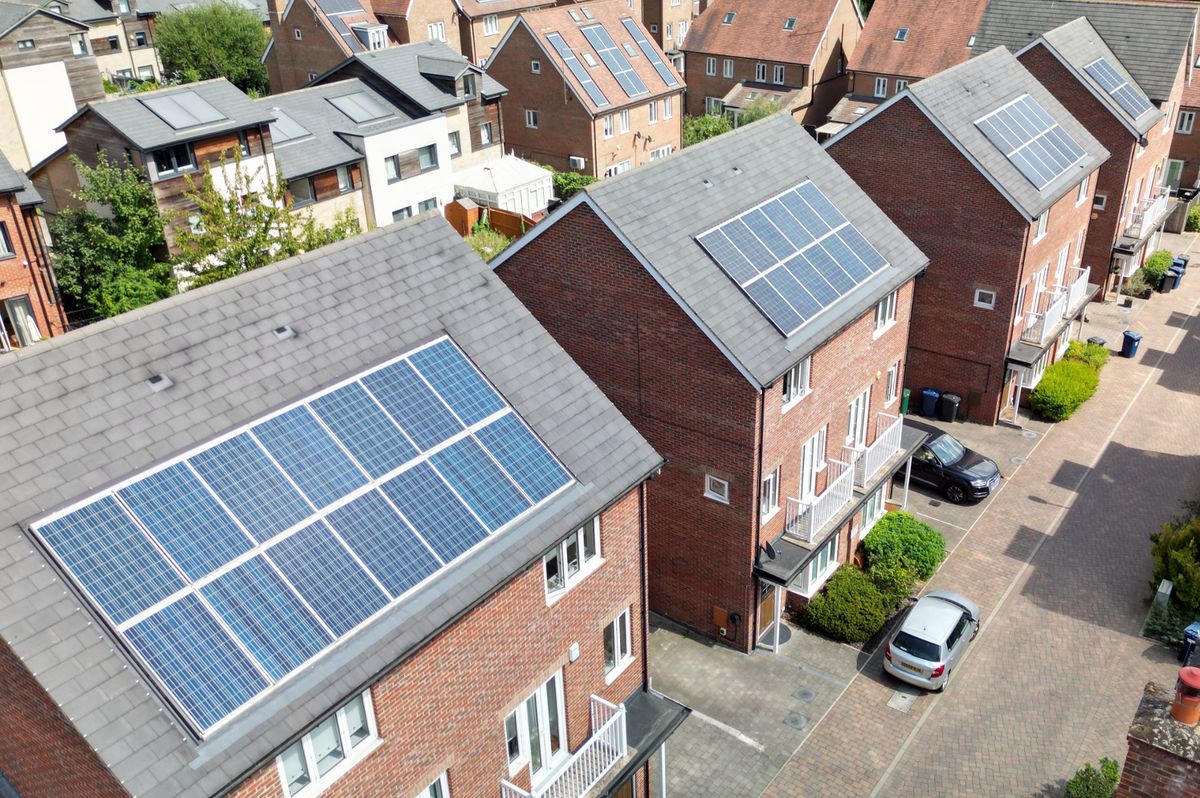
When it comes to generating power, solar panels can often be an attractive proposition; research from the Energy Saving Trust has shown that in some cities including London and Manchester, Brits could save upwards of £500 a year by adding the systems to their homes. Getting these installed is easier than ever too, with brands including Solar4Good offering quick quotes and managing the installation, as well as warranties of up to 25+ years.
Meanwhile, the UK government has announced plans to roll out ‘plug-in’ solar panels for balconies and outdoor spaces, with Lidl and Iceland expected to be some of shops to stock them on shelves.
Getting a solar panel system installed on your home could be a factor in helping cut down your bills. We take a look at three key things you need to know about solar panels…
1. Upfront installation costs
It’s worth noting that installations do come with a budget-denting upfront cost; according to the Energy Saving Trust, the average home solar panel system costs approximately £6,100 to install.
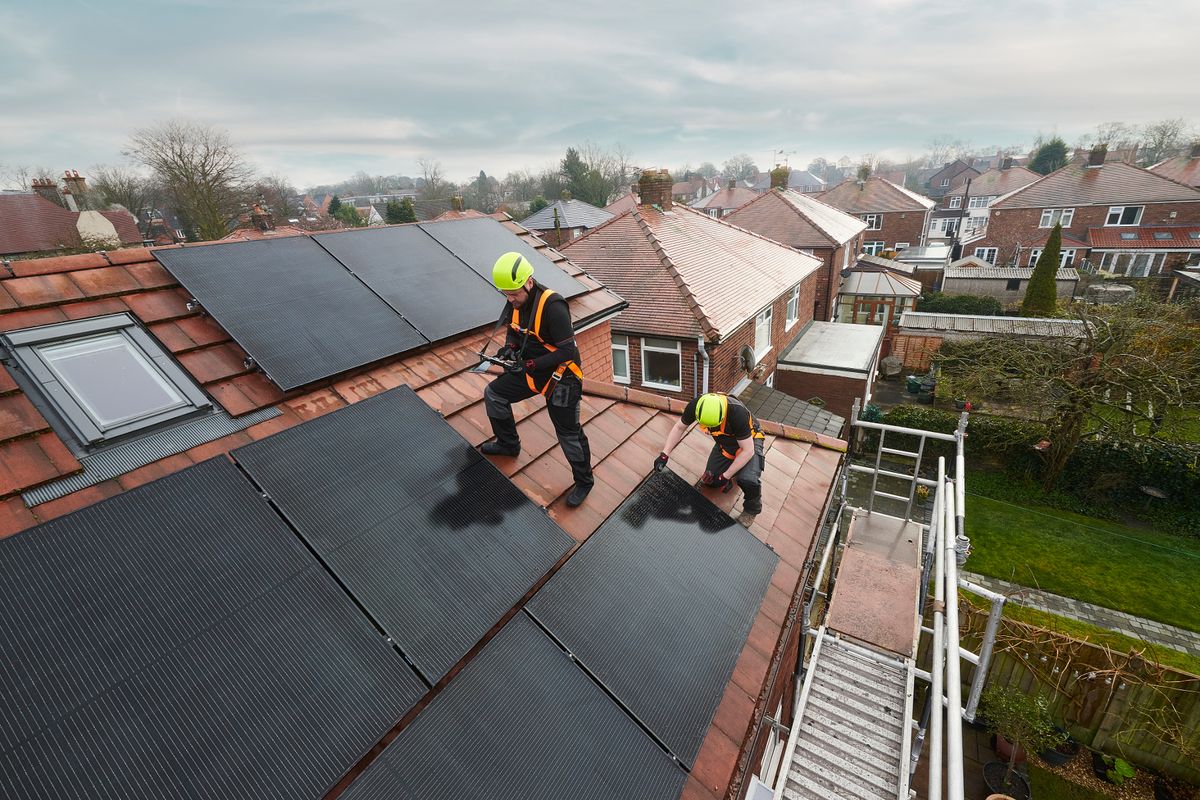
However, the costs completely depend on a number of factors including the size of a system, whether it’s being integrated into your building, and even the accessibility to your roof. Specialist firms such as Solar4Good can offer quick and easy quotes, as well as managing the installation and long-term warranties of up to 25+ years.
Meanwhile you can also find quotes from the likes of Eon and Octopus Energy, while Wickes offer free solar appointments.
2. They can reduce energy bills
The biggest appeal of solar panels is that they could help you save on bills over time. Because they generate clean electricity from sunlight, they make you less reliant on the national grid and the costs aligned with this. (In some cases, you might even be able to sell the electricity you can’t use yourself, under the UK government’s Smart Export Guarantee scheme, which lets you sell that extra electricity to the grid.)
Research from the Energy Saving Trust revealed that in a number of UK cities, Brits might be able save upwards of £500 a year by adding solar panel systems to their homes – although it’s worth noting the savings do vary depending on factors including the region where you live. Using them in conjunction with other energy saving tactics could be key too; according to Solar4Good, the combination of solar, storage, and smart EV charging is how some households can reduce their grid bills by 60–80%.
As a bonus, using solar energy could reduce your overall carbon footprint, given that the panels produce clean, renewable energy.
3. Take note of when you use electricity
Electricity from the national grid is cheapest overnight, when demand is at its lowest. (Usually from about midnight to 6am). Peak times tend to be in the evenings when everyone is home and running appliances, which comes at a higher cost on some tariffs.
If you’ve got solar panels and you’ve gone for a system with battery storage that can extend into evenings, you may be able to swerve more expensive hours with your own stored power.
Given that brands like Solar4Good offer long-term warranties of up to 25+ years, it could prove to be a useful investment into your ‘forever home’.
Alan Pennington, spokesperson for Karas Plating who ran a study into solar panel usage, explained: “It is [also] worth thinking about how energy is used in the home. Solar works most effectively when the electricity generated is used during the day, so households that run appliances during daylight hours often see the biggest savings. Choosing a reputable installer and understanding the available export schemes can also make a big difference in how quickly the investment begins to pay off.”
Source link