
Yyou could get in a whole lot of trouble
Fencing is much more than a way to outline your garden; it is a key design element that provides privacy and security and contributes to the overall aesthetic. However, over time, garden fences can tend to look worn down and need a lick of paint.
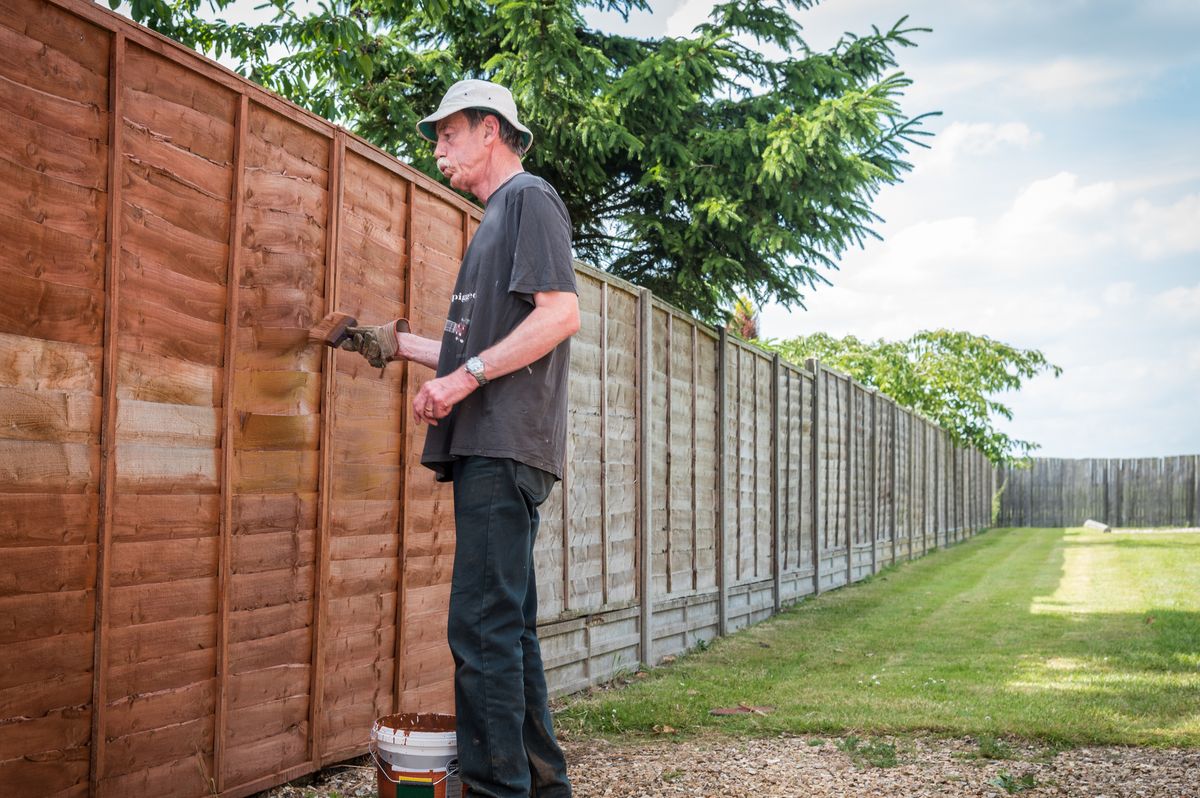
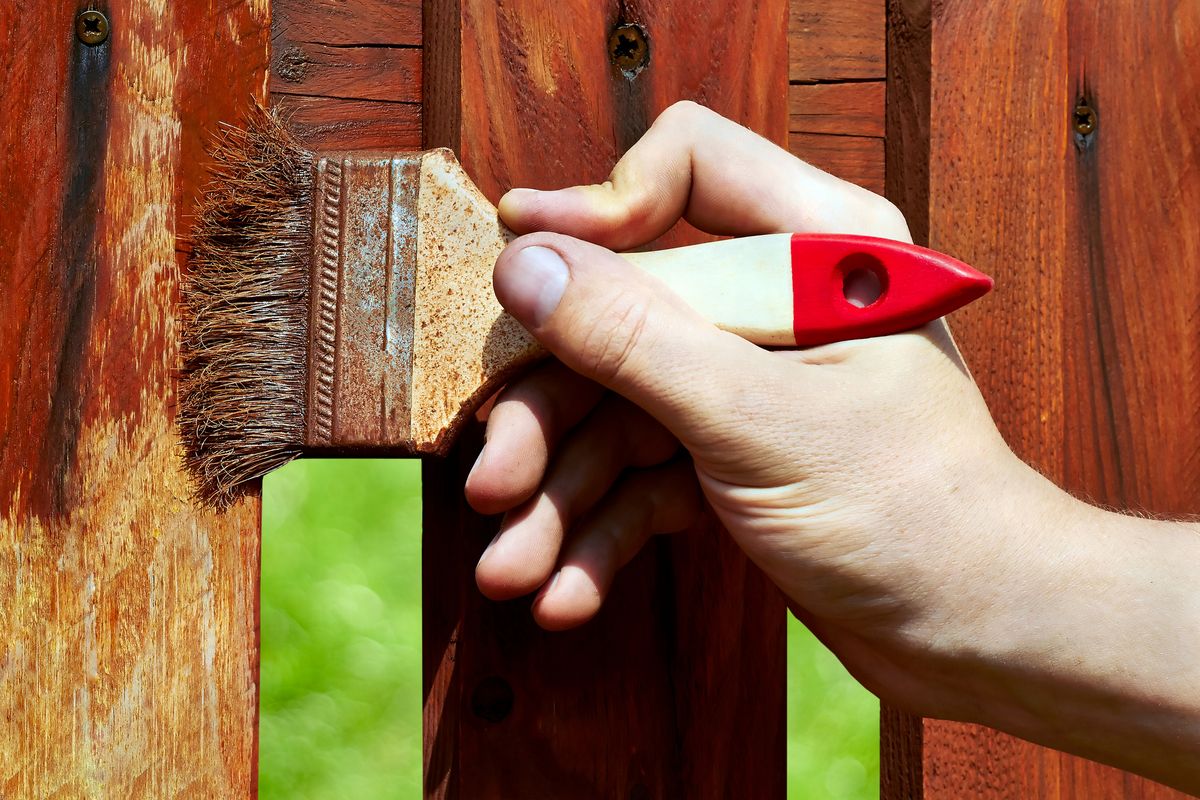
You may have asked yourself, “Can I paint my side of my neighbour’s garden fence?” if you’ve ever gazed out at a drab or worn garden fence panel.
If you have a freshly painted fence on one side but a grimy, faded fence on the other side, you may want to take the matter into your own hands.
Although it seems like a harmless approach to update your area, the solution isn’t quite as simple as many homeowners think. After all, the law isn’t on your side, and it could land you in hot water.
Although it might make sense that you might alter your side of a garden fence, it isn’t legally.
A fence almost generally belongs to one property, and you could get into trouble if you take a paintbrush to it without having clear ownership rights.
Changing your neighbour’s fence without their consent may potentially be seen as trespassing or causing harm.
Mike Hansom, boundary law expert at BLB Solicitors, warned: “You must not paint, repair or otherwise interfere with your neighbour’s fence without their permission. To do so is criminal damage.”
When it comes to painting fences, it’s important to understand the various laws and planning permissions for garden fences. You should also ensure you know what fence is yours to avoid any difficult boundary disputes.
The best approach is to communicate with your neighbour and seek their permission before making any changes to the fence.
Even if both you and your neighbour are happy with it, it’s advisable to agree the scope of the arrangement in writing so everyone knows the scope of work which will be done. This would also help to prevent a dispute if either property is sold.
It’s also worth remembering that if one side is painted and the other isn’t, there’s a risk that paint can bleed through fence panels if it’s a wooden fence. The agreement should cover what would happen in eventualities like this.
If your neighbour declines, it’s crucial to respect their decision. Exploring different options, like offering to contribute to the cost of painting or staining the fence, or agreeing on a colour both sides want, can be a way to move past this.
Source link