
Millions of vehicle owners could take advantage of this
Millions of vehicle owners are expected to notice a major rule change that’s expected within just months.
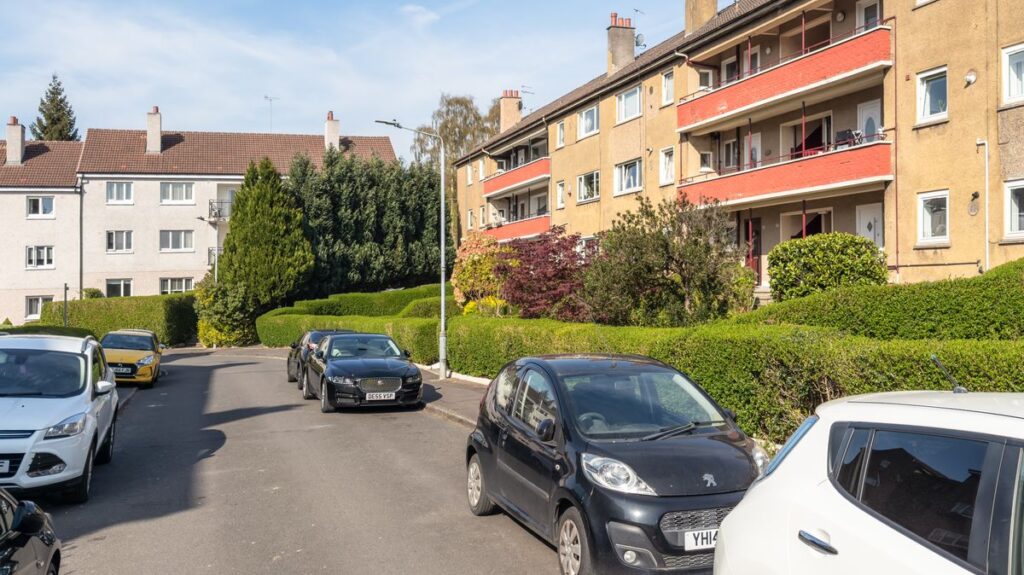
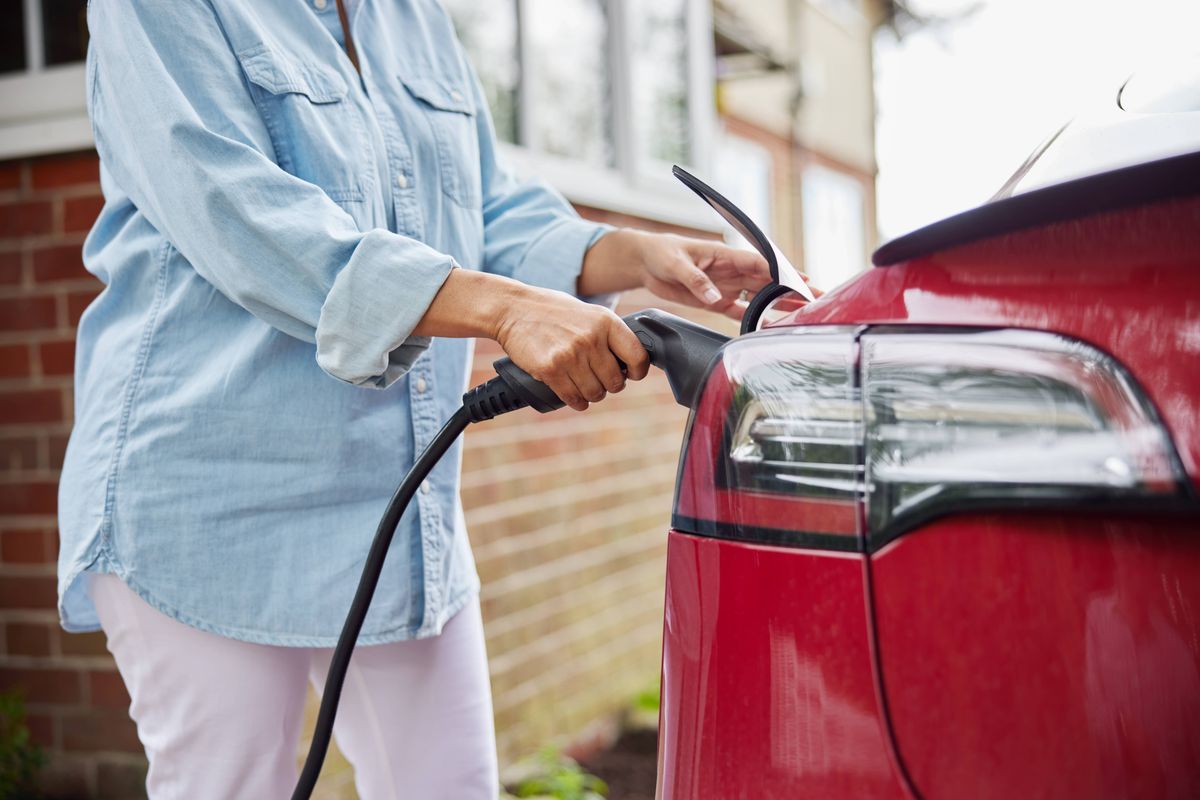
People without driveways will soon find it significantly easier, and more affordable, to charge an electric vehicle from home. Homeowners will no longer require planning permission to install pavement charging “gullies”, enabling cables to be safely channelled underneath the pavement instead of stretching across it – a practice currently prohibited due to tripping risks. Ministers have announced that legislation will be fast-tracked this summer to classify these installations as permitted development.
Officials indicate that by year’s end, motorists could fit a gully outside their property without needing council consent. The reform aims to eliminate one of the most significant obstacles to electric vehicle ownership for those lacking off-street parking – a demographic spanning millions throughout Britain’s urban areas.
Home charging is substantially more economical than depending on public facilities. Figures from Zapmap reveal the typical cost of using a public charger sits at approximately 72p per kWh, while specialist domestic tariffs can drop to as little as 8p per kWh.
Nevertheless, installation costs may present a hurdle. While certain councils are already subsidising the gullies, in numerous regions, homeowners will need to cover the cost themselves – usually around £1,000. Even so, the initial outlay can be swiftly offset through reduced electricity bills compared with petrol, diesel or public charging points.
The initiative follows a spike in electric vehicle demand, fuelled partly by stubbornly high fuel prices. Energy provider Octopus Energy reported EV sales leapt by a fifth during the first three weeks of March compared with the preceding month.
Throughout Europe, appetite is growing even more rapidly. Data from transport research organisation NewAutomotive reveals electric car sales across the EU soared by 51 per cent last month compared with March 2025, with EVs accounting for more than a fifth of all new registrations.
In the UK, electric cars have also reached a crucial milestone on pricing. According to Autotrader, the average new EV now stands at £42,620 – marginally below the £43,405 average for a petrol vehicle. The Government is simultaneously attempting to address the steep cost of electricity, which has long weakened the economic argument for switching to electric.
Ministers have unveiled proposals today to sever the connection between electricity prices and wholesale gas costs – which presently determine the price around 60% of the time. Energy Secretary Ed Miliband has highlighted nations such as Spain, where greater dependence on renewables has helped protect consumers from the worst of recent price surges, as a blueprint for Britain.
Environmental campaigners have endorsed the drive. Angharad Hopkinson, political campaigner at Greenpeace UK, said: “Britain is sick and tired of an energy system where pump prices and… bills go up and down based on Trump’s latest social post. The government is absolutely right to be looking at every possible solution.”
For motorists who don’t have off-street parking, the regulatory shift could prove transformative – at last making domestic charging a viable prospect and reducing the expense difference between electric and traditional vehicles.
Source link