

The Iran war fuelled rise in inflation risks being felt by families is many ways, from the cost of the weekly food shop to mortgage repayments
Millions of UK households face a new bout of cost of living misery, this time triggered by the Middle East conflict.
Until the war erupted at the end of February, economists had been predicting that inflation would ease as the year progressed, and would eventually get back to the Bank of England’s all-important 2% target. But the hostilities between US President Donald Trump, along with Israel, and Iran has sent energy costs soaring again.
The Office for National Statistics said the consumer prices index measure of inflation dropped to 3% in February. But all eyes were on what would happen in March, the first full month of the war. The jump to 3.3% may well have been expected but is a setback for families – and is the first increase since last December. It is still early days, with the fall-out from the conflict set to be felt for many months – even years – to come, even if the two sides reached an agreement.
Here we look at how UK households’ finances have impacted already, and what the future may hold.
Food
Families have been warned food inflation could more triple by the end of the year.
The cost of food and drink rose by 3.7% in the year to March – up from 3.3% in February – and is expected to rise in the months ahead as energy and other costs feed through.
Industry body the Food and Drink Federation estimated grocery inflation could jump to 9% or 10% by Christmas, even if the conflict is resolved soon. Karen Betts, FDF chief executive, explained: “Energy is embedded in every part of the food system, from agriculture through to the energy used in greenhouses, manufacturers to make food and chill it, and to move it onto supermarkets and the energy they use.”
The boss of supermarket giant Tesco, Ken Murphy, questioned the FDF’s forecast, saying it has yet to notice any impact from war-related costs yet. The FDF, in response, says the impact will take seven to 12 months to be felt in the shops.
No-one at this stage is expecting a repeat of Russia’s invasion of Ukraine, when an energy shock saw food inflation surge in more than 19% in March 2023. But any fresh increase in the cost of the weekly shop will compound those previous price hikes for families.
Dr Liliana Danila, the FDF’s chief economist, said: “The clouds are gathering, but the storm has not yet broken on rising food and drink inflation. The war in Iran has delivered a cost shock that is already too large for manufacturers to absorb in full. The impact on prices will take time to work its way through the system, but it’s only a matter of time before it does.”
Shop prices
Food is one of the most noticeable ways in which households will notice a fresh bout of inflation.
One reason is, along with fuel, households are exposed to the higher prices on a weekly basis, or more regularly than that.
The impact on shop price inflation in general is less certain, however, and depends how long the crisis lasts.
For example, the cost of imports goods from China and the Far East could be pushed up by the oil spike, especially as the region relies on the Gulf for a big chunk of its shipments. Another overlooked cost is fuel to power container ships, the price of which has jumped since the war started.
Harvir Dhillon, economist at the British Retail Consortium, said: “If food prices follow a similar trend as seen following the Ukraine-Russia conflict, prices will start to ramp up more notably throughout 2026.”
Fuel
Ask any driver and they will know all too well how much pump prices have soared since the start of the conflict.
Higher petrol and diesel prices are one of the main reasons inflation rose in March, with the cost flowing through the forecourt almost immediately.
A recent drop in oil prices has actually seen pump prices fall, at least by a little. According to the RAC, the average for unleaded stands at 157.57p a litre and diesel is 190.13p. That’s up from 132.83p and 142.38p respectively before the war began.
The ONS confirmed that fuel was the biggest factor in last month’s jump in inflation. The average price of petrol rose by 8.6p per litre between February and March, compared with a fall of 1.6p between the same two months in 2025. The average price stood at 140.2p per litre in March 2026, the highest price since August 2024 when it was 142.3p per litre. Diesel soared by 17.6p per litre in March, compared with a fall of 1.6p a year ago. The average price stood at 158.7p per litre in March, the highest price since November 2023.
Pump prices are expected to remain high while the wholesale cost of oil hovers around the $100 a barrel mark.
Mortgage costs
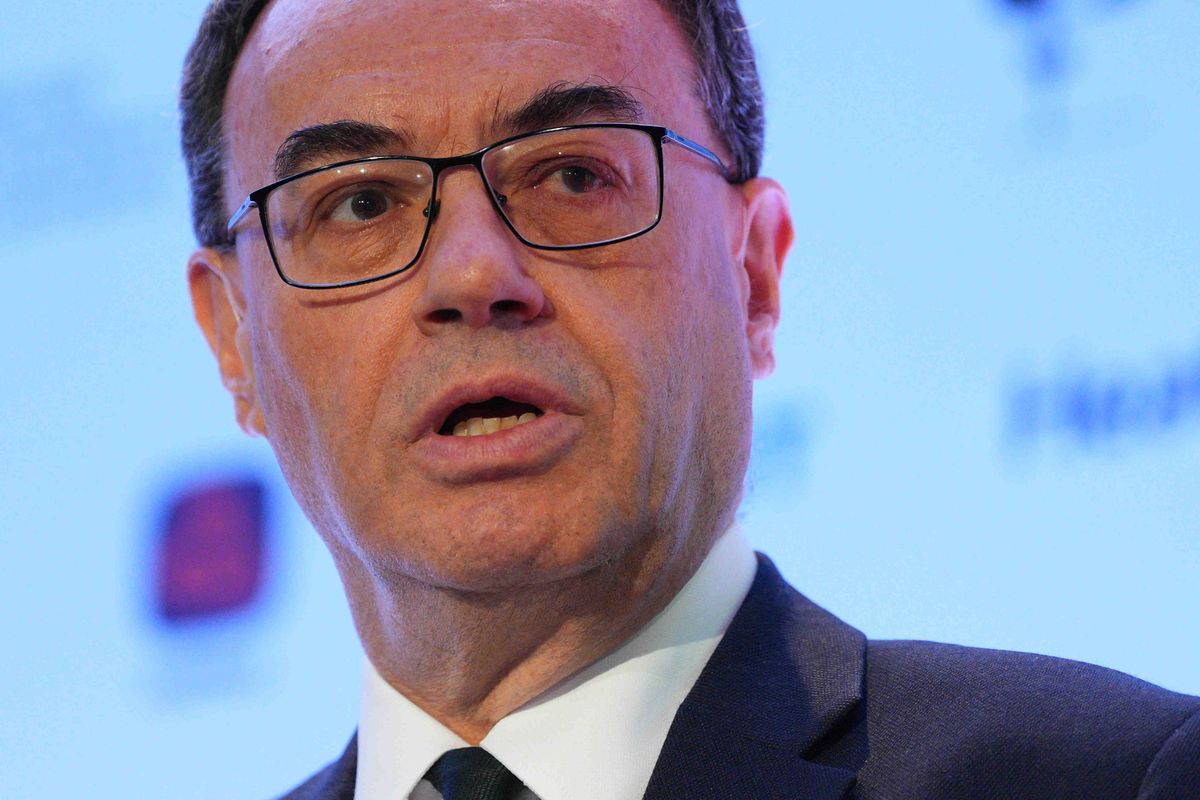
Among those with a close eye on the March inflation data is the Bank of England, under Governor Andrew Bailey.
Before the war, the Bank’s nine-member Monetary Policy Committee has been expected to announce a series of base rate cuts this year. The latest rise in inflation means there is little to no chance of that happening when the MPC meets next week.
Some economists had predicted the base rate – now 3.75% – could increase if inflation jumps. But Mr Bailey has played down market expectations, with the MPC likely to watch what happens for now.
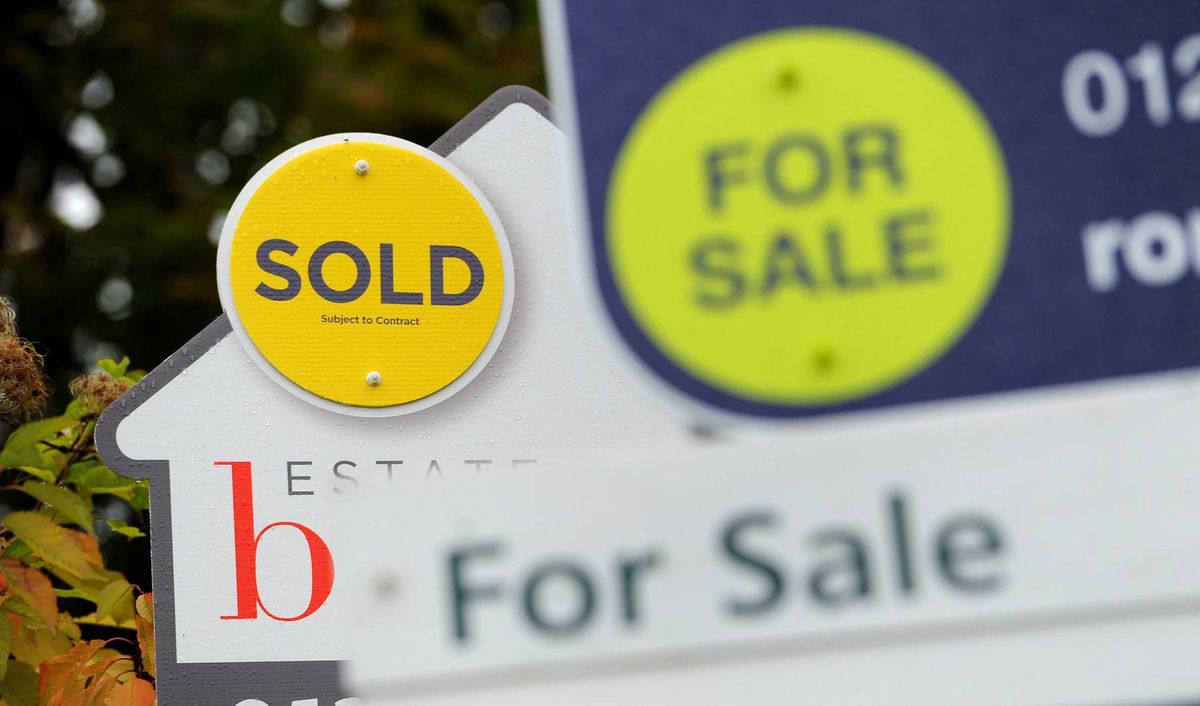
Hundreds of thousands of borrowers are already paying the price of the war through a jump in mortgage costs.
Lenders have upped the cost of new fixed rate mortgages in anticipation of the Bank of England’s base rate remaining higher for longer. While lenders have begun to reprice home loans in the past week, by reducing new products, they remain higher than before the conflict erupted.
Martin Sartorius, Lead Economist, CBI, said: “While risks are tilted to the upside, at this stage it seems unlikely that inflation will rise to the same extent as during the previous energy shock in 2022.
“We continue to expect that the Bank of England’s Monetary Policy Committee will keep interest rates unchanged at its next meeting, as it waits to see how the inflationary impact of the Iran conflict develops. Persistently weak domestic activity and a looser labour market imply that rate hikes are relatively less likely in the near term, but they could still be a possibility if the conflict escalates significantly.”
Savers
The nation’s army of savers will be among those hoping the Bank of England increases its base rate.
However, as savers are often borrowers too, any change risks being a doubled edged sword.
Higher inflation – and with it living costs – also eats into any interest they earn on their deposits.
Mike Ambery, retirement savings director at Standard Life, said: “For households and those planning for retirement, this uncertainty underlines the value of flexibility and long‑term thinking.
“Inflation can quietly erode spending power, particularly for those holding large amounts in cash. While cash savings remain important for day‑to‑day security and emergencies, having a longer‑term plan that aims to keep pace with – or outstrip – inflation, through investments and pensions, can help people stay on track for the future, even when the economic picture is unsettled.”
Source link