A gardener has shared the one important task you must complete this March so your outdoor space is summer ready. It’s crucial to do this job as it can help other plants flourish
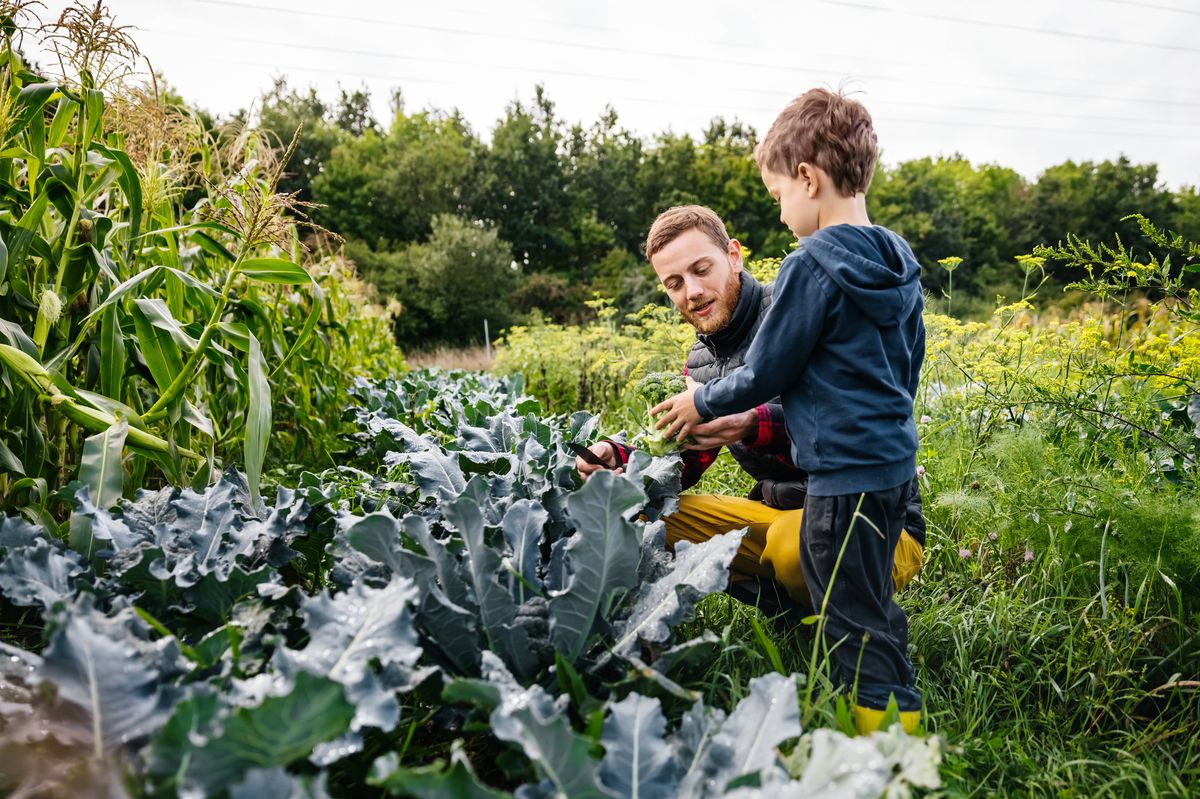
If you do this now, you’ll have beautiful blooms by summer (Stock Image)(Image: Tom Werner via Getty Images)
The weather is gradually warming up, and you might have even switched off your home’s heating schedule, signalling that spring is definitely on the horizon. But have you given any thought to prepping your garden yet?
If not, it could be time to don your gardening gloves if you’re aiming for a lush outdoor space by summer, when you’ll likely be spending plenty of time enjoying your green oasis. Ish, who shares his gardening tips on TikTok under the handle @gardening.with.ish, pointed out that early spring is when growth starts to appear. Whether you’ve got daffodils sprouting in your garden or other flowers beginning to bloom, the first signs of life are definitely emerging.
However, this also means that weeds will start to thrive, because where beautiful flowers grow, there’s inevitably some less desirable growth to deal with, too.
In the caption of his video, he advised: “Now is the perfect time to tackle those garden weeds.
“They’re at a vulnerable point of their growth, so get them gone. They’re also jam-packed full of nutrients, so don’t let them go to waste; take that foliage and turn it into liquid feed. It’s amazing what a simple gardening tip can show you to help your garden flourish!”
He emphasised there’s no need for “any specific weed killer or chemicals,” just a small spade to begin uprooting them.
Ish advised: “Just take a few fingers and pinch around it, and simply pull out around the roots, and as you can see here, you’ve got a tiny little plant. And because I’ve got no broken roots as well, it means I’ve not left any traces of that weed in my pot in the soil.”
Eliminating your weeds also ensures they won’t be “stealing any of the nutrients from the soil”.
For those wanting to go the extra mile, he recommended stripping “all of the foliage” from the weed, filling a pot with water, immersing all the weeds and allowing them to decompose over several weeks.
“What will happen is it will release all of the nitrogen from the soil and put it into the water, which you can turn into a liquid feed,” he enthused, adding that “young weeds are more practical” than one might think.
Other jobs to do during March:
1. Preparing the soil: This involves clearing away any remaining dead plant material from winter, removing weeds, and digging over beds to loosen the soil. Adding compost or well-rotted manure at this stage will enrich the soil and improve its structure, giving your plants the best possible start.
2. Sowing seeds for hardy annuals and vegetables: Outdoors, you can sow crops such as broad beans, peas, carrots, parsnips, and spinach directly into the ground, provided the soil is not too wet or cold. Indoors or in a greenhouse, you can start off more tender crops like tomatoes, chillies, and aubergines in seed trays or pots. Pricking out seedlings as they develop and potting them on will help them grow strong before they are planted outside later in the spring.
3. Pruning: Many deciduous shrubs, such as roses and buddleia, benefit from a hard prune in March to encourage vigorous new growth and better flowering later in the year. Early-flowering shrubs, however, should be pruned after they have finished blooming. You can also cut back ornamental grasses and tidy up herbaceous perennials by removing old stems and leaves.
4. Lawn care: Rake up any debris, moss, or thatch, and give the lawn its first light cut if conditions are dry enough. You can also edge the lawn to create neat borders and apply a spring lawn feed to promote healthy growth.
5. Check for signs of disease or pests: If you have fruit trees or bushes, check them out properly and apply any necessary treatments. Mulching around the base of fruit trees and bushes with compost or well-rotted manure will help retain moisture and suppress weeds. It’s also a good time to plant new fruit trees and bushes while they are still dormant.
6. Replanting overcrowded clumps of perennials: This not only rejuvenates the plants but also gives you more to fill gaps elsewhere in the garden. Keep an eye on emerging shoots and protect them from late frosts with cloches or fleece if necessary. With all these jobs, you’ll be setting the stage for a productive and beautiful garden in the months ahead.