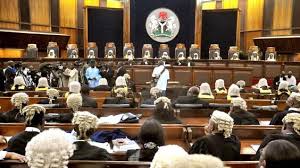
Tensions are rising within the Edo State judiciary following allegations that directives issued by the National Judicial Council (NJC) in a high-profile libel case have not been fully carried out, prolonging a legal battle that has already spanned several years.
The case, involving former INEC Resident Electoral Commissioner Mike Igini and retired Colonel David Imuse, has been before the Edo State High Court since 2020. Despite reaching an advanced stage, proceedings have reportedly stalled, raising concerns among legal observers and insiders.
At the heart of the dispute is a ₦5 billion defamation suit filed by Igini against Imuse over statements made during the lead-up to the Edo governorship election. By the time of the disruption, Igini had concluded his case, and two media organisations named as co-defendants had also presented their defence, leaving only Imuse yet to open his.
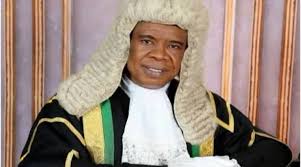
The trial was interrupted after the case was reassigned in a move that would have required it to start afresh, despite the progress already made. This decision prompted a petition from Igini in November 2024, leading to intervention by the NJC.
The Council subsequently ruled that the matter should return to the original trial judge, Justice V.O. Eboreime, and continue from where it had stopped. It also cautioned against actions that could unnecessarily delay or reset proceedings at such an advanced stage.
However, sources indicate that the directive has not been fully implemented. The case has since encountered further delays, including disruptions linked to a new petition reportedly filed against the trial judge, compounding concerns over its management.
A scheduled hearing on February 2, 2026, when Imuse was expected to begin his defence, did not take place, further extending the timeline of the already protracted litigation.
Observers within legal circles have expressed unease over what they describe as repeated administrative setbacks, warning that continued interruptions could erode confidence in the judicial process and affect the timely resolution of cases.
The situation has sparked broader debate about adherence to NJC directives, judicial independence, and the handling of long-running disputes involving prominent figures. For now, the case remains unresolved, with its outcome still uncertain after years of legal proceedings.