

Most UK gardeners are familiar with the nightmare of Japanese knotweed and how difficult it can be to remove, but there are four other invasive plants you need to watch out for
If you’re planning to get out in the garden this Easter weekend, it’s the perfect opportunity to ensure you’re not unwittingly harbouring any invasive species. Most UK gardeners are well acquainted with the nightmare of Japanese knotweed and the enormous challenge it poses to eradicate.
However, there are four additional invasive plants you need to be vigilant about. Frequently mistaken for ordinary plants, these four weeds must be carefully removed from your garden and properly disposed of.
From triggering asthma to causing structural damage, these plants pose a serious threat to both your garden and your wellbeing.
Invasive weed removal specialists, Environment Controls, are urging the public to remain watchful for these four weeds, reports the Express.
Gaultheria shallon
While this flowering weed isn’t toxic, it can rapidly dominate a garden with its dense growth. It swiftly overwhelms native plants and inhibits tree regeneration in woodland areas.
It’s widespread across southern England and has recently been prohibited in Scotland under the Wildlife and Countryside Act.
Tree of Heaven
Originally from China, this fast-growing tree is now established throughout the UK. It’s notorious for its powerful, disagreeable odour and its aggressive root network.
Left unchecked, this plant can cause significant damage to building foundations, drains and sewers.
Ragweed
Ragweed is particularly concerning for hay fever sufferers. It releases billions of pollen grains and can be a major trigger for allergy sufferers. The reaction can be so intense it may even lead to developing asthma.
Devil’s Trumpet
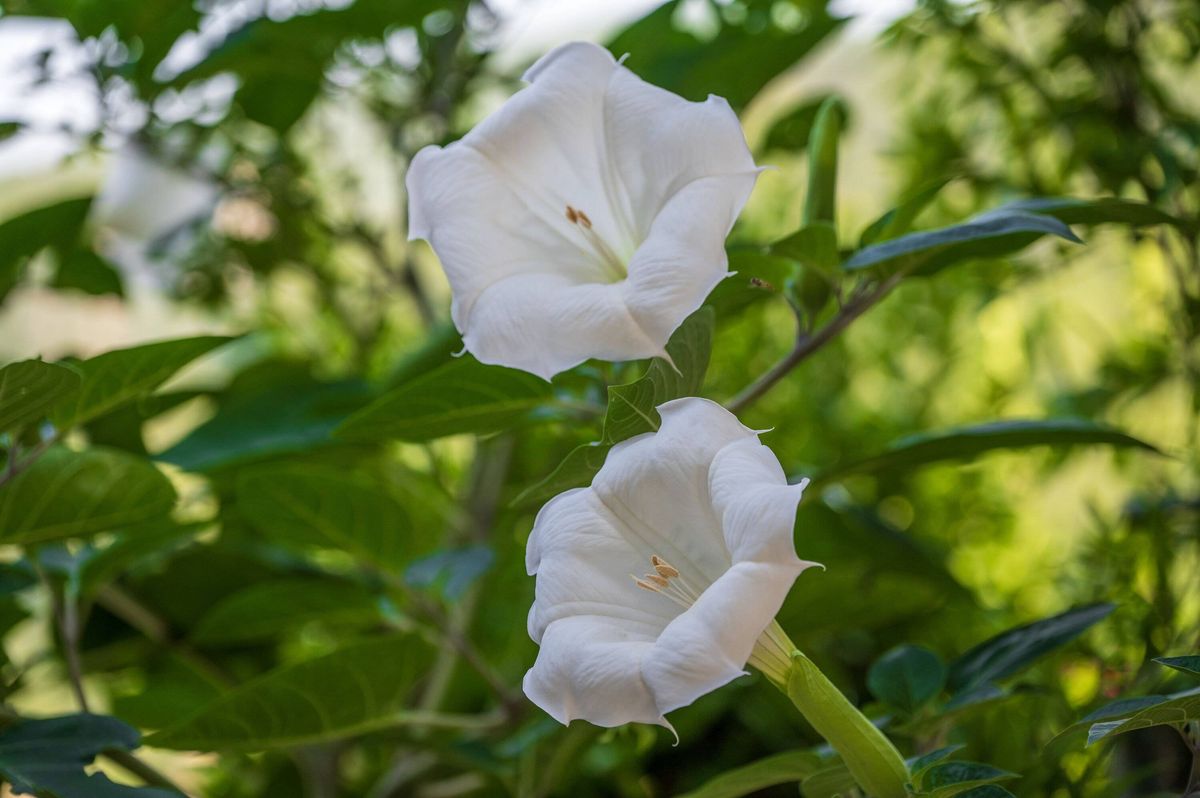
While it may appear attractive, the Devil’s Trumpet can prove extremely hazardous if it ends up in the wrong hands. Also referred to as Thorn Apple, this highly poisonous plant poses a significant threat.
Every part of the plant is extremely toxic to humans and animals, and if consumed, it can trigger serious health problems alongside intense visual and auditory hallucinations.
It should never, under any circumstances, be handled without appropriate protective equipment.
Source link