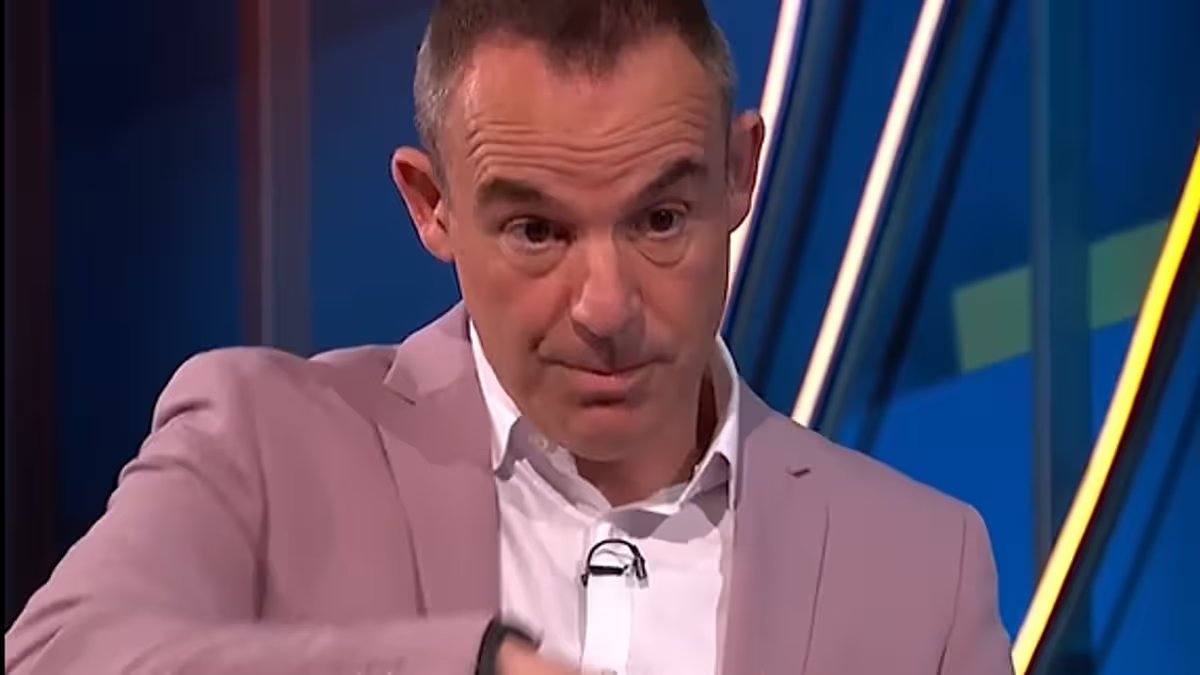
New figures from the Office for National Statistics reveal a big surge in thefts – but expert says there are simple things to stop having your accounts emptied
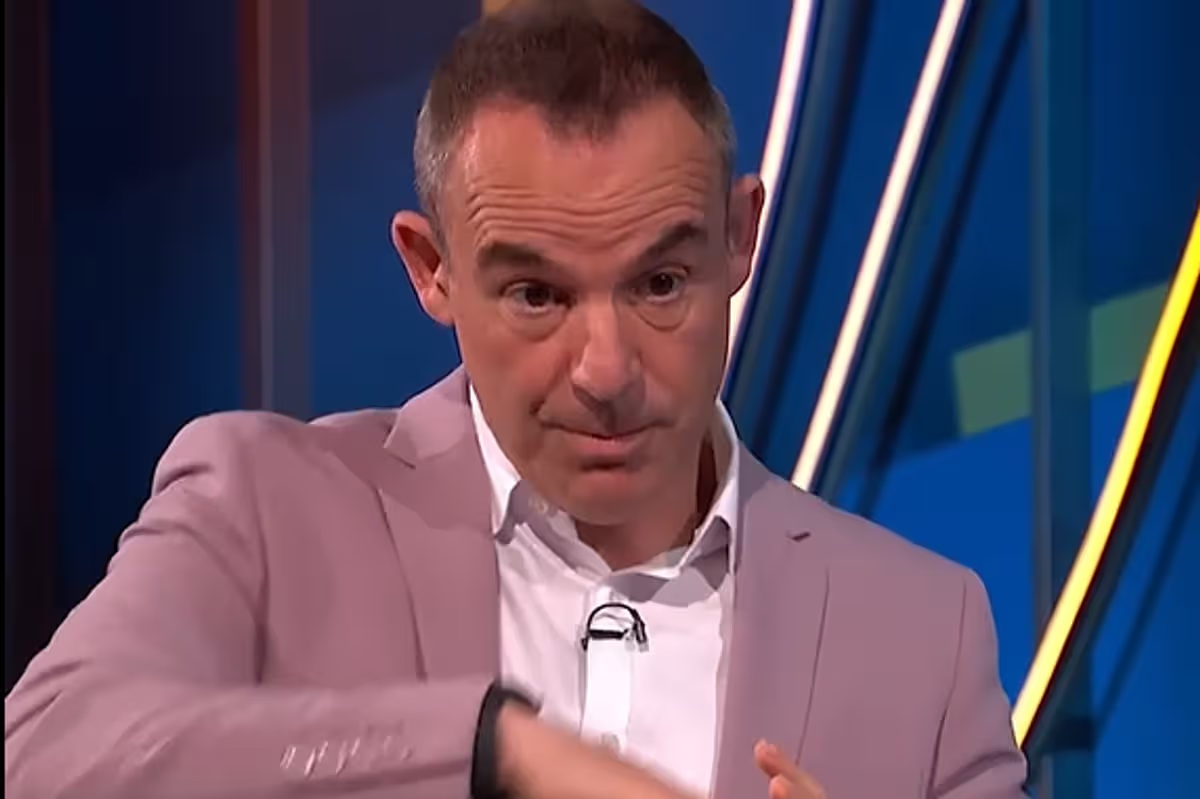
Martin Lewis has spoken out about simple anti-phone theft steps – and new figures show the crime is soaring(Image: ITV)
Martin Lewis has given vital advice to anyone with a mobile phone – as new statistics show huge numbers being stolen. New figures from the Office for National Statistics (ONS) reveal 272,000 reported incidents of phone theft in the year ending March 2025 – an increase of nearly 16% from the previous year.
Worryingly a study from Uswitch.com found 11.6 million Brits still leave their devices unprotected, even though the vast majority (85%) say they take precautions when out in public. Of the 66% who know about tracking tools like Find My iPhone, only 34% use them. Just 8% of those aware of safety features have activated remote lock or wipe features.
One in seven UK adults has had their phone stolen in the past two years, which equates to one device being stolen every 7.6 seconds. Personal finance expert Martin Lewis has previously told all iPhone and Android mobile users to implement several straightforward changes – or potentially face serious consequences.
During his earlier appearance on ITV’s This Morning, the finance guru highlighted that failing to configure devices correctly could leave individuals exposed should their handset be misplaced or taken. He further recommended that everyone should enter a five-digit code. With mobile handset theft on the rise, Martin Lewis detailed the simple steps everyone ought to complete immediately to protect their device.
This comes after recent calls from MPs on the Commons Science, Innovation and Technology Committee to Home Secretary Shabana Mahmood, arguing that technology firms aren’t doing sufficient work to combat mobile phone theft.
The committee voiced its concerns regarding why these firms haven’t implemented measures to stop stolen handsets from accessing cloud accounts from overseas. Mobile handset theft has emerged as an escalating problem in recent years, especially in London where roughly 80,000 devices were taken last year, based on Metropolitan Police figures.
Numerous devices ultimately get transported abroad, with the Met claiming earlier in October that a single smuggling operation had dispatched up to 40,000 stolen handsets from the UK to China over the past year. Mr Lewis suggested that individuals should first download a particular app.
He said: “Everybody who’s got a smartphone, if you’re Apple, if it’s find my device, if you’re Android, it’s the smart things app, then you can locate it, but also you can switch off payments. It doesn’t stop your phone being sold on, but it reduces the risk, cause let’s be really plain, two risks for your phone being nicked one, you lose it, you have to claim on your insurance and get it back, and two, they can access your information.”
Mr Lewis emphasised further mobile security measures users ought to enable – especially concerning banking applications. He declared: “Make sure your biometrics are set up, your face or fingerprint ID both on your phone. And your banking apps, that’s very important, not just on one, make sure it’s on both.”
He subsequently encouraged everyone to input a particular five-digit sequence into their devices: “Next one, everybody do this now. Type into your phone *#06#. Rachel’s making a note. That’s *#06#. You’ll get it like what looks like a series of barcodes come up, those are your IMEI numbers. Screen grab those, email them to yourself, that’s the ID you’ll need if your phone’s nicked, so that you can recognise your phone, *#06#.”
You can input that code via the dialler. The specialist recommended disabling preview notifications: “Next, really important this one, and you’ll understand why, turn off your preview notifications. So you know when you, when you pay for something and they send you the text code, yeah, that comes through. That’s fine when your phone is unlocked and you’re on it, but if you have preview notifications, it will show that code on the lock screen.
“If you turn off preview notifications, it tells you you’ve got a message but doesn’t include the code. So if someone nicks your phone and then. They can’t see that code, so turn off preview notifications, and the final one I’d say is go onto your phone, look at the security settings of your particular phone and go and have a play and see what security settings there are. None of this will stop your phone being nicked, but it reduces the risk of you being defrauded if your phone is nicked. It protects you.”
With the Metropolitan Police giving phone manufacturers until 1 June to add stronger protections against theft,[10] Uswitch is urging consumers to take immediate steps to safeguard their personal data.
Jez Samuel, Uswitch mobiles expert, says: “The latest ONS figures show just how important it is for both consumers and tech companies to take phone security seriously. Despite a slight dip in reported overall thefts, phone snatching remains incredibly high and largely unreported.
“Leaving your device unprotected is effectively giving criminals the keys to your whole digital life. A stolen phone can give criminals access to banking apps, emails, and personal accounts within minutes – putting both your money and your identity at risk.
“Manufacturers have a key role to play by making stronger anti-theft protections easier to access and switch on by default.
“If your phone is stolen, speed is critical. The faster you track, lock, or wipe the device, contact your network provider, and change your passwords, the higher your chances are of stopping criminals before they can do serious harm.”