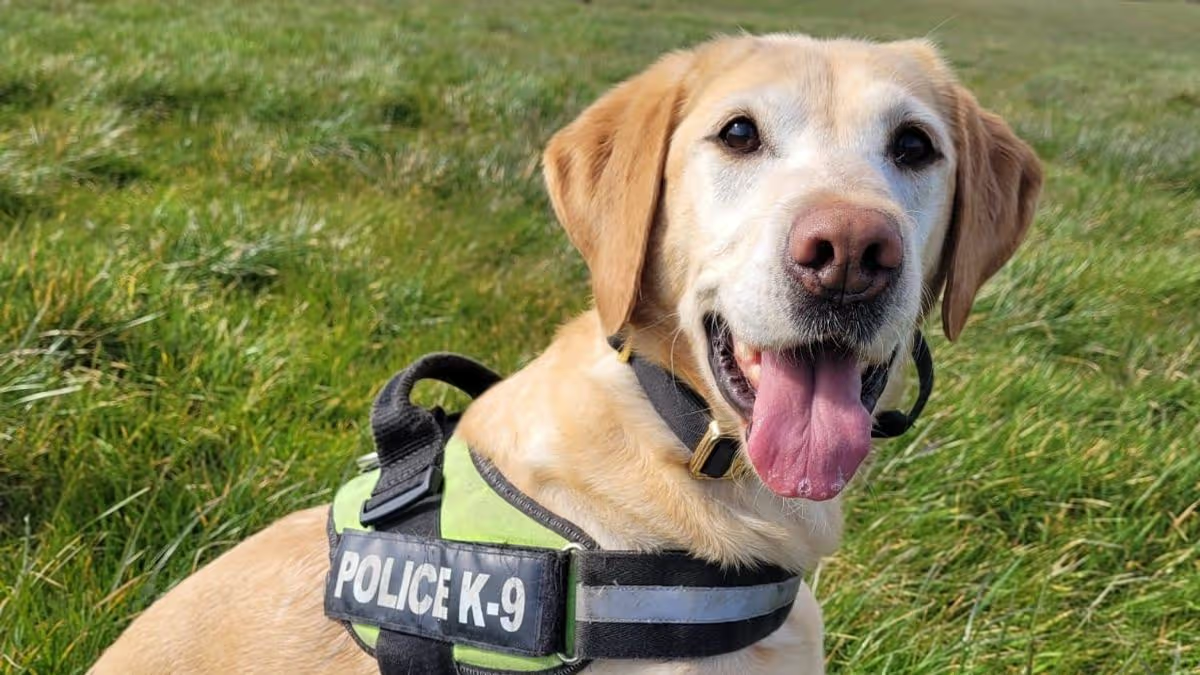
Campaigners are calling for police dogs to receive pensions to help cover the costs of treatment after a hard life sniffing out criminals – with money coming from the Proceeds of Crime Act
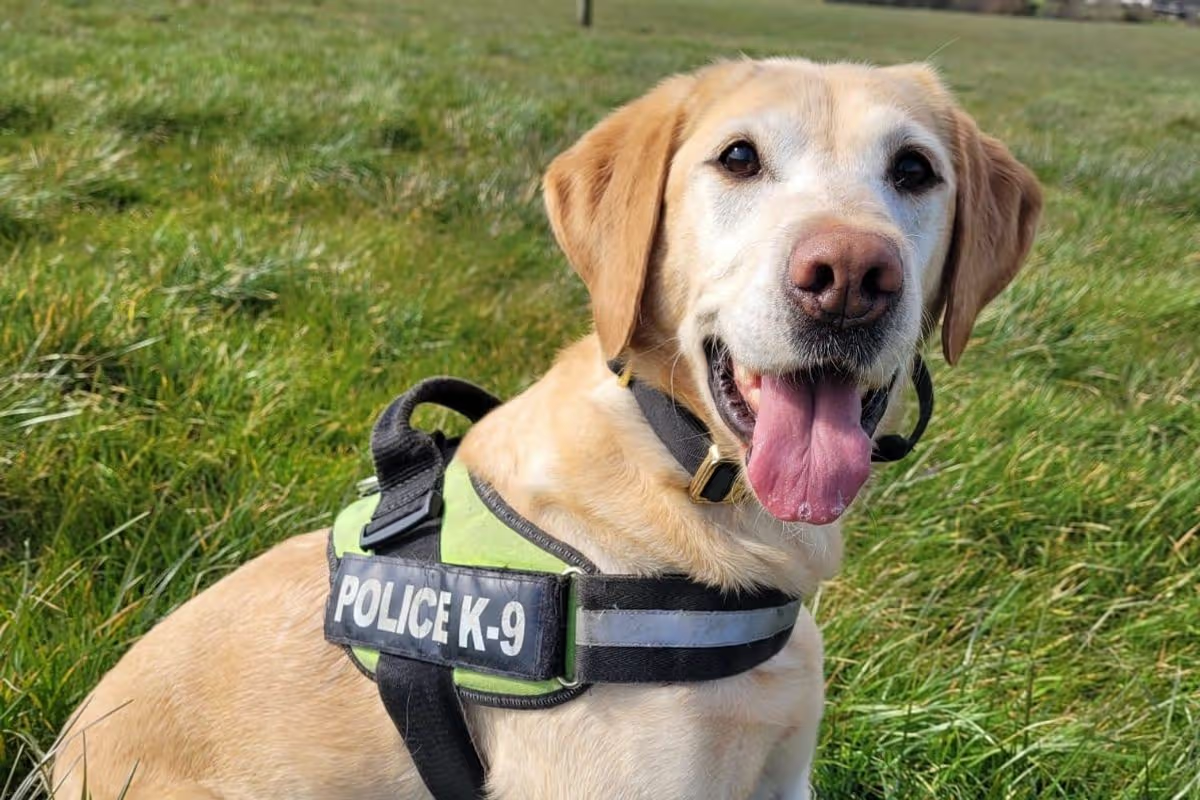
Police dog Jess, 10, who served in Northern Ireland, is one of 1,700 working dogs serving across the UK’s 45 police forces(Image: Supplied)
Police dogs deserve pensions in recognition of a life spent sniffing out criminals, say campaigners.
Around 100 retire every year out of 1,700 working across the UK’s 45 police forces. But some leave with arthritis, ligament damage or hip dysplasia leaving owners who have adopted them facing hefty vet bills as a result of their strenuous working lives.
The Thin Blue Paw Foundation is pressing the Government to introduce mandatory financial assistance for police dogs when they hang up their service badges from the Proceeds of Crimes Act.
Founder Kieran Stanbridge said: “We have become a lifeline for retired police dogs, stepping in to help them get the veterinary care and medication they need when their owners aren’t sure how to cover the costs.”But the Government should be standing by these canine heroes and supporting them in their retirements.
READ MORE: Animal bite infections surge after Britain’s lockdown pet boomREAD MORE: Battling dog survives two days nearly suffocating in thick mud after vanishing
“A huge number of police dogs retire with a condition or health problem which has been caused or exacerbated by their tough, physically-demanding job. Surely, after everything they’ve given, they deserve to be taken care of in their older age?” Police dogs are not automatically put down after service, according to the Thin Blue Paw Foundation. Most (around 85%) are adopted by their former handlers or new owners to live out their retirement.
However, once they have completed their service, owners can find that the costly vet bills to treat any health conditions can often be crippling. Audi, a 10-year-old German Shepherd served with Staffordshire Police for six years. He was lucky to survive after he was attacked by a suspect and stabbed twice in the head. He retired in 2024 and was adopted by Katie Wright, 43, from Stafford. But just a few months ago he lost the use of his back legs and, following tests, x-rays, and a referral to a specialist, expert vets have discovered he has enlarged elbows, arthritis in his elbows and hips and spondylosis of the spine.
Vets told his family that the problems are common in German Shepherds but the risk is increased by those dogs who have had physically demanding lives – like police dogs. The tests have cost more than £2,000, and now he needs a course of medication and regular hydrotherapy. Katie turned to the Thin Blue Paw to help with the financial burden of ensuring this canine hero has the best retirement after serving so bravely for so many years. Other dogs helped by the charity include cash, drugs and firearms detection dog Jess, 10, who served for eight years with the Police Service of Northern Ireland before retiring earlier this year.
During her career, the Labrador helped locate more than £1m worth of goods, including £500,000 which she found in a secure area she wasn’t even meant to be searching. Now she needs hydrotherapy for arthritis and joint issues. Chaos, 6, had to retire early from West Midlands Police after he was seriously injured when a police firearm was discharged during an incident in Birmingham a year ago. The Belgian Malinois needed major surgery and his injury will need ongoing treatment during his retirement, which is being covered by our Foundation.
German Shepherd Captain, 8, also served West Midlands Police for three years but had to retire early after rupturing his cruciate ligament.
The hero dog now needs regular hydrotherapy and is building up his strength to undergo major spinal surgery due to damage caused by his job. Kieran Standbridge added: “That’s why we’re calling on the Government to support these dogs financially when they hang up their harness.
“A small amount from Proceeds of Crimes Act recoveries could help change the lives of retired police dogs when their careers end; most of these proceeds are recovered by the dogs themselves anyway so it seems fitting to pay some of that back to them.”