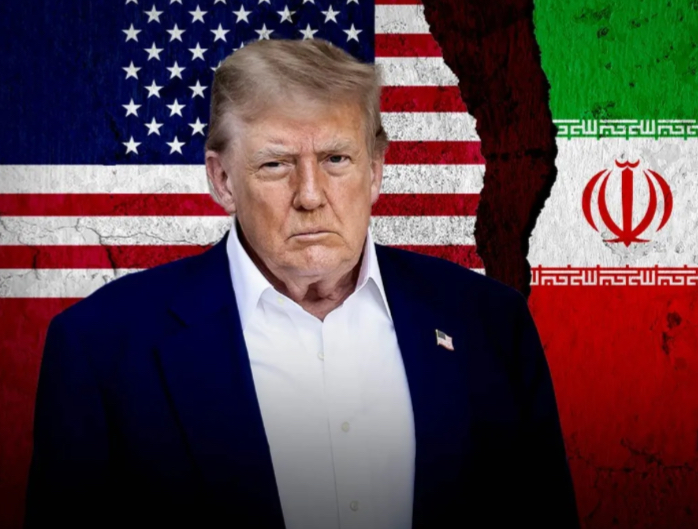
US President Donald Trump has publicly rejected Iran’s response to a proposed framework for peace talks aimed at ending the ongoing conflict involving the United States, Israel and Iran.
In a post shared on Truth Social on Sunday, May 10, Trump described the response from Iran’s representatives as “totally unacceptable,” though he did not provide details about which aspects of the proposal were rejected.
The development came amid ongoing diplomatic efforts to ease tensions after weeks of conflict and military confrontation across the region.
Iranian state media reported that Tehran’s response focused heavily on securing an end to the war across all fronts, particularly in Lebanon, while also demanding assurances over the safety of shipping activities through the Strait of Hormuz.
According to reports, Iran’s proposal called for an immediate cessation of hostilities, an end to the US naval blockade, guarantees against future attacks on Iranian territory, and the removal of sanctions, including restrictions on Iranian oil exports.
Iran’s semi-official Tasnim news agency further reported that Tehran proposed measures relating to its nuclear programme, including reducing part of its stockpile of highly enriched uranium and transferring the remaining portion to a third country.
The peace proposal followed earlier efforts by the United States to establish a ceasefire before broader negotiations on more contentious issues, including Iran’s nuclear activities.
Pakistan, which has reportedly been involved in mediating discussions surrounding the conflict, was said to have transmitted Iran’s response to Washington through diplomatic channels.
As of the latest reports, there had been no formal response from the United States beyond Trump’s public remarks.
Although a ceasefire had been in place for nearly a month and the region had experienced close to 48 hours of relative calm, concerns over instability remained after hostile drones were reportedly detected over several Gulf countries on Sunday.
Meanwhile, shipping activity through the strategically important Strait of Hormuz showed signs of gradual movement despite continuing uncertainty in the region.
According to shipping analytics firm Kpler, the QatarEnergy-operated vessel Al Kharaitiyat successfully passed through the strait and continued its journey toward Pakistan’s Port Qasim.
The vessel was reportedly the first Qatari liquefied natural gas carrier to cross the waterway since the conflict between the United States, Israel and Iran escalated on February 28.