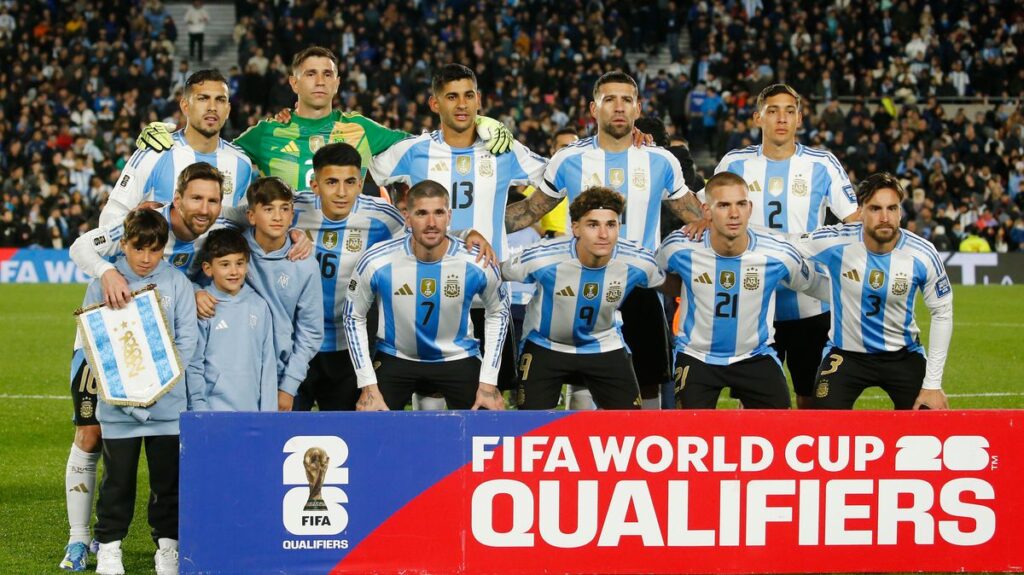
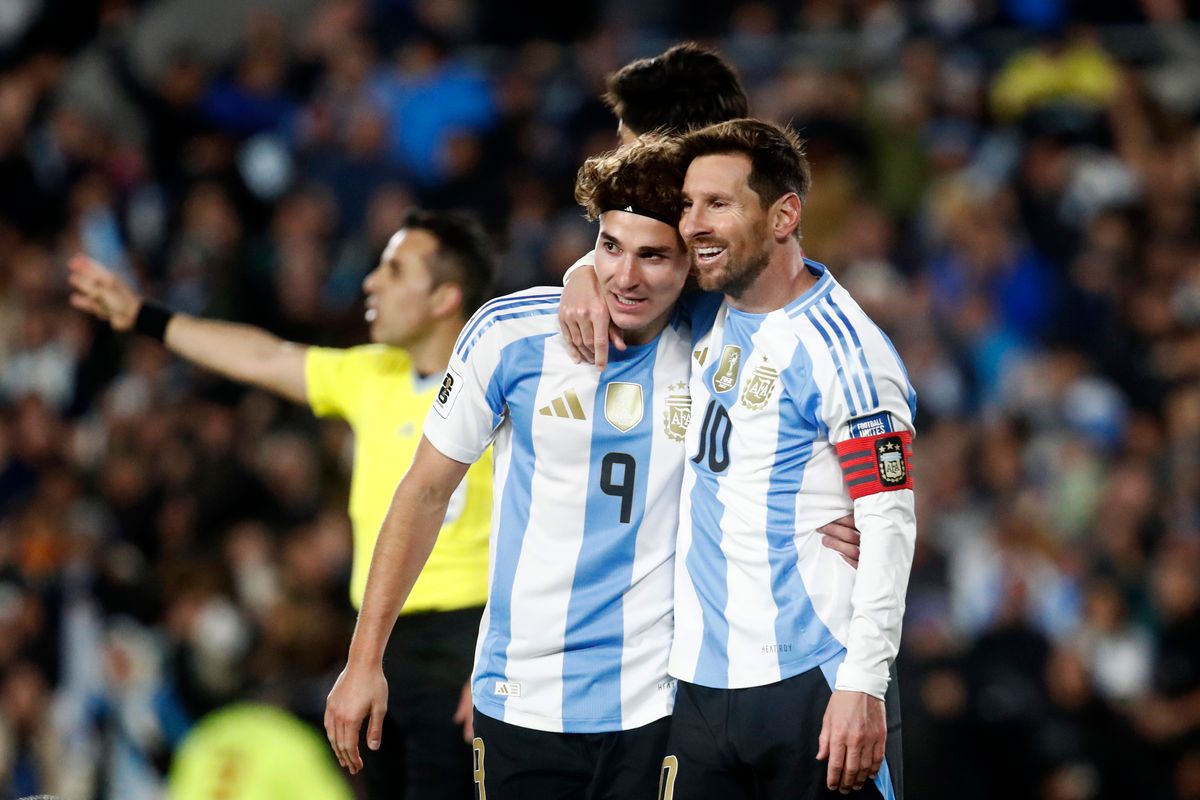

When Argentina touched down in Qatar four years ago, they were a nation possessed – a band of brothers on a desperate, high-stakes crusade to fulfil a prophecy 36 years in the making. But as they head to North America for this summer’s World Cup, the vibe has shifted from frantic to formidable.
The footballing world is staring down the barrel of a dynasty.
It feels like a lifetime ago that Argentina were defined by the “nearly” years – a generation of world-class talent haunted by the ghosts of lost finals and the suffocating weight of a multi-generation World Cup drought. But when Lionel Messi dragged a young, hungry, and – as we eventually realised – gifted squad to glory in 2022, the psychological dam broke.
Since that humid night in Lusail, Argentina have evolved from a romantic narrative into a cold-blooded juggernaut. By securing a second consecutive Copa America title in 2024, Lionel Scaloni’s men have firmly established themselves as the undisputed dominant force in international football. They no longer play with the desperation of a nation seeking validation – they play with the arrogance of a team that owns the throne.
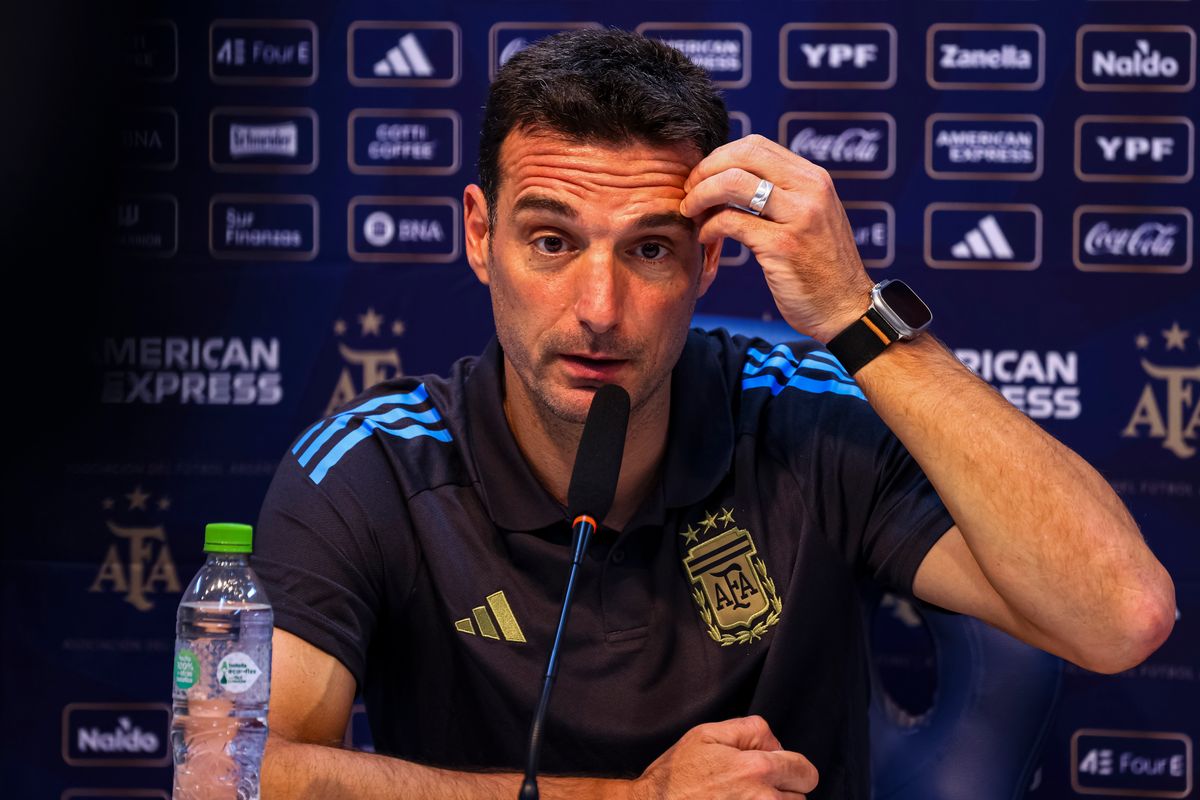
In the latest episode of our Make Football Great Again podcast, I sat down with Peter Coates, the founder of Golazo Argentino and one of the most respected voices on South American football, to dissect the cult of Scaloni, the tactical evolution of Messi, and whether Argentina have what it takes to go back-to-back on the world’s biggest stage.
JOIN US ON FACEBOOK! All the best sports news and much more on our dedicated Facebook page
READ MORE: World Cup 2026: Mexico – the only host nation with true home advantageREAD MORE: World Cup 2026: Haiti – the nation that can’t celebrate making history with their own fansThe ghost of Maradona
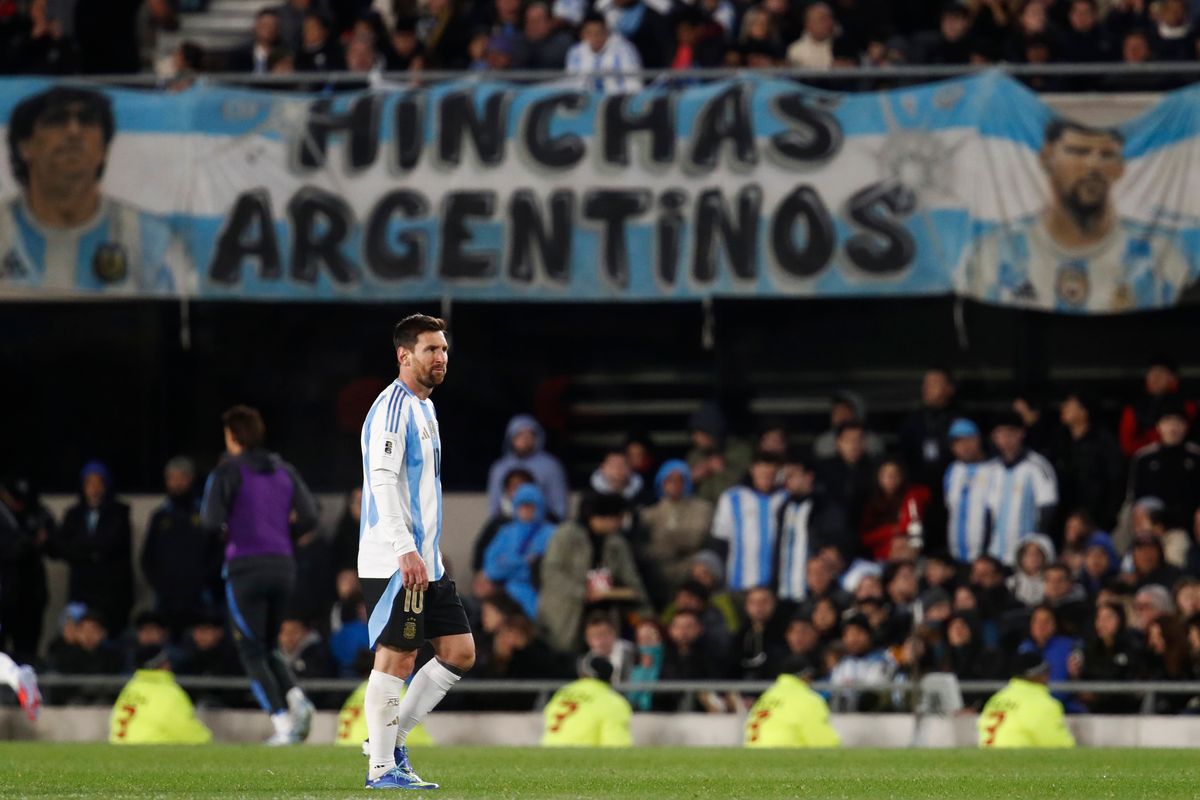
For all the silverware now glistening in Argentina’s trophy room, a question still lingers on the streets of Buenos Aires: is it enough? Despite the eight Ballons d’Or and the World Cup medal, Messi still seems to operate in the long, flickering shadow of Diego Maradona.
To step fully out of it, he may need one final, emphatic statement: another World Cup. But history makes that a daunting task. No nation has successfully defended the trophy since Pele’s Brazil in 1962.
“You still see [Maradona] everywhere when you walk around – murals, walls, t-shirts, coffee shops,” Coates explains. “There’s a distinction in the way Maradona identifies with the people in a way that maybe Messi hasn’t quite done. He fulfilled the prophecy of the kid from the poor neighborhood who rose to greatness.”
He added: “I would still have Maradona as the GOAT [greatest of all time] as far as Argentina is concerned. But Messi, particularly with the new generation, is right up there.”
Messi management
Despite the fact he’ll be turning 39 during the tournament, many still regard Messi as one of the very best footballers on the planet. The Inter Miami star is no longer the frenetic dribbler of his youth, and while Argentina have, for years, been carefully calibrated to compensate for their captain’s limited movement off the ball, they may need to push that accommodation further still this summer in order to keep their talisman at the heart of things.
“I think it will be the first time that maybe we see his minutes managed in a way that we’ve never seen before,” says Coates. “We might be entering a stage where we start to see Lionel Messi coming off in games to manage that fitness.
“But when he’s on the pitch, things will still revolve around him. He’ll still want to drop into midfield to get the ball and make things happen… It just means the midfielders – [Rodrigo] De Paul, Enzo Fernandez and [Alexis] Mac Allister – have to do a huge amount of running to protect the defence, while also breaking forward and joining the attack.”
There’s also the question of whether Messi will actually take part. The Barcelona legend has only played three times for his country since 2024 and is yet to officially declare himself available for World Cup selection.
“Messi himself hasn’t actually guaranteed he’s going play the World Cup,” Coates says. “He’s still saying, I’m going to see how I feel in terms of injuries. I think those conversations with Scaloni will be a lot more behind closed doors at the moment… but I think barring a serious injury, he’s going to be part of that team.”
‘Nasty’ winners
It’s easy to forget that before the Copa America win in 2021 and the World Cup triumph in 2022, Argentinian football was, in Coates’ words, “an absolute shambles.” The team’s 2018 World Cup exit was a low point that nearly saw Messi walk away for good. But the subsequent appointment of Lionel Scaloni – initially seen as a “cheap” interim option – changed everything.
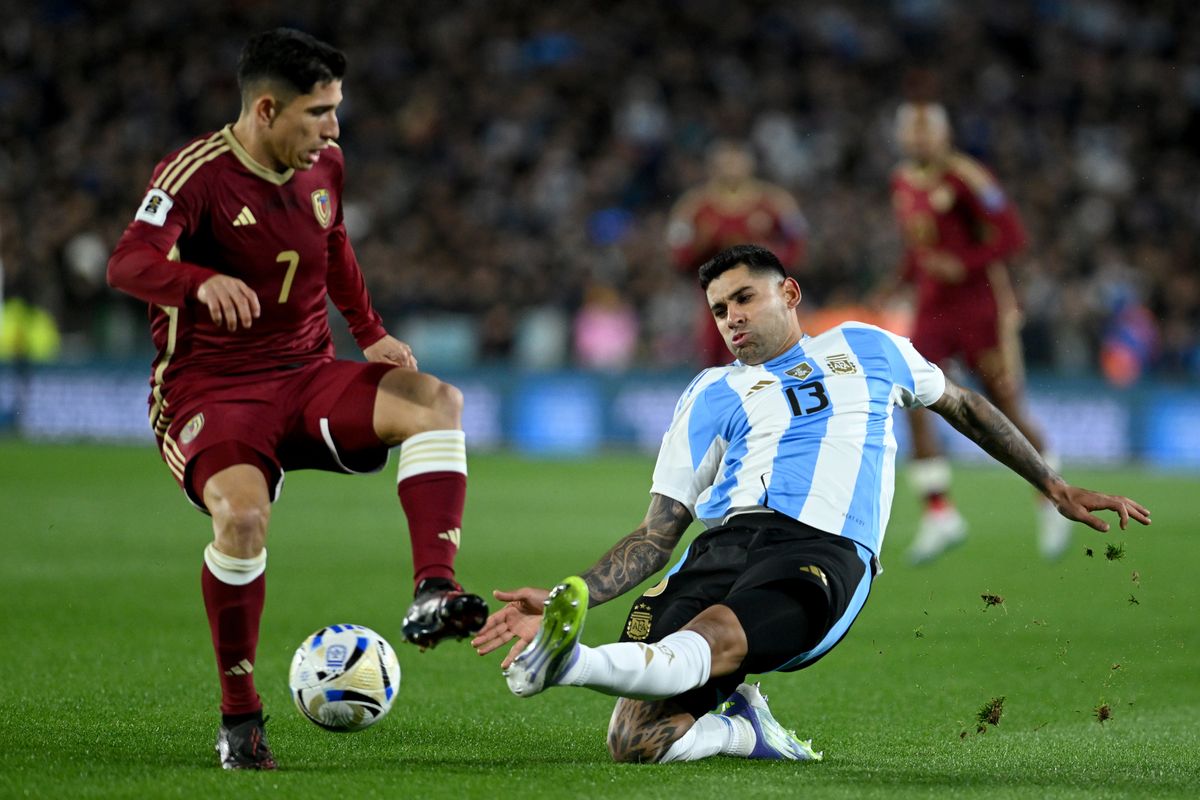
Scaloni not only oversaw a tactical and atmospheric shift, he brought a “nastiness.” Since then, Argentina have developed a psychological edge that makes them a nightmare to play against.
“It comes across almost as this nastiness and arrogance on the pitch,” Coates says. “The mentality is: ‘You can’t bully us, you can’t be better than us. We will find a way. If you want to play dirty, we can do that. If you want possession, we can do that.'”
“Where I give most credit to Lionel Scolani is this is a squad that went from being more or less broken when he took over to gradually building confidence winning that Copa America… and then almost having this mentality of, we’ve just gone to Brazil and won the Copa America… now we can beat anyone.
“I think they still have that confidence… and I think that is their greatest strength at the moment.”
Who are the breakout young stars?
Argentina will enter the 2026 World Cup as not only one of the tournament favourites, but also one of the most in-form teams on the planet. But there’s a growing concern beneath the surface: a lack of evolution.
In Qatar, Argentina were revitalised by the explosive mid-tournament breakthroughs of Enzo Fernandez, Julian Alvarez and Alexis Mac Allister, who helped spark the team’s transformation following their stuttering start against Saudi Arabia.
Fast forward four years, and the concern is that the tap of world-class reinforcements has momentarily run dry. “The reliance still on those [2022] players might be a factor,” Coates warns.
“There isn’t necessarily a young player who’s had a lot of minutes in the three and a half years since the last World Cup that has risen up and is now a key player. We are still looking more or less at the 2022 side.”
However, if history has taught us anything, it’s that Argentina’s conveyor belt of talent rarely stays empty for long. While the starting XI looks familiar, Coates points to three names that could follow the Enzo Fernandez blueprint and “announce themselves” on the global stage this summer:
“I’m looking at the younger players like Nico Paz, who’s playing at Como, has been outstanding in Serie A. He’s had minutes with the first team and has shown some really nice flashes,” Coates said.
“Franco Mastantuono, who had been close to the Argentina team, got the big money move to Real Madrid… his progress hasn’t been quite what it was when he was still in Argentina with River Plate… but maybe he could surprise people at the World Cup for Argentina.
“Valentin Barco, who’s playing really well at Strasbourg this season in France, hasn’t had much of a look in with the national team. After his struggles with Brighton… he’s now establishing himself again in France more as a midfield player, whereas before he was more considered a left back.”
Expectations
On paper, Argentina’s route to the knockouts looks easy. Slotted into Group J alongside Algeria, Austria and Jordan, the world champions are overwhelming favourites to breeze through the group and bag top spot.
But the memory of their opening game in 2022 serves as a permanent warning against arrogance. On that afternoon, a seemingly invincible Argentina fell 2-1 to Saudi Arabia in one of the greatest upsets in tournament history.
“There will be a bit of hesitation, maybe, about being too confident going into the group phase,” Coates explains. “In 2022, of course, they were shocked. It’s why you can’t take any team lightly.”
The pressure on this squad isn’t just about escaping the group, however. It’s about the staggering height of the bar they’ve set for themselves. In Argentina, the ‘defending champion’ tag carries a heavy tax. While the expanded 48-team format introduces an extra knockout round (the round of 32), the expectation remains unchanged: excellence is the only acceptable outcome.
“If you were to say anything less than winning the trophy again, that would be a very high bar – winning back-to-back titles is incredibly difficult,” says Coates.
“But I think if [Argentina were eliminated] earlier than the semi-finals, people would look back on it as a fairly underwhelming tournament. The feeling will be that Argentina didn’t do what was expected of them.”
Sky Sports discounted Premier League and EFL package
Sky has slashed the price of its Essential TV and Sky Sports bundle for the 2025/26 season, saving £336 and offering more than 1,400 live matches across the Premier League, EFL and more.
Sky shows at least 215 live Premier League games each season, an increase of up to 100, plus Formula 1, darts, golf and more.
Source link