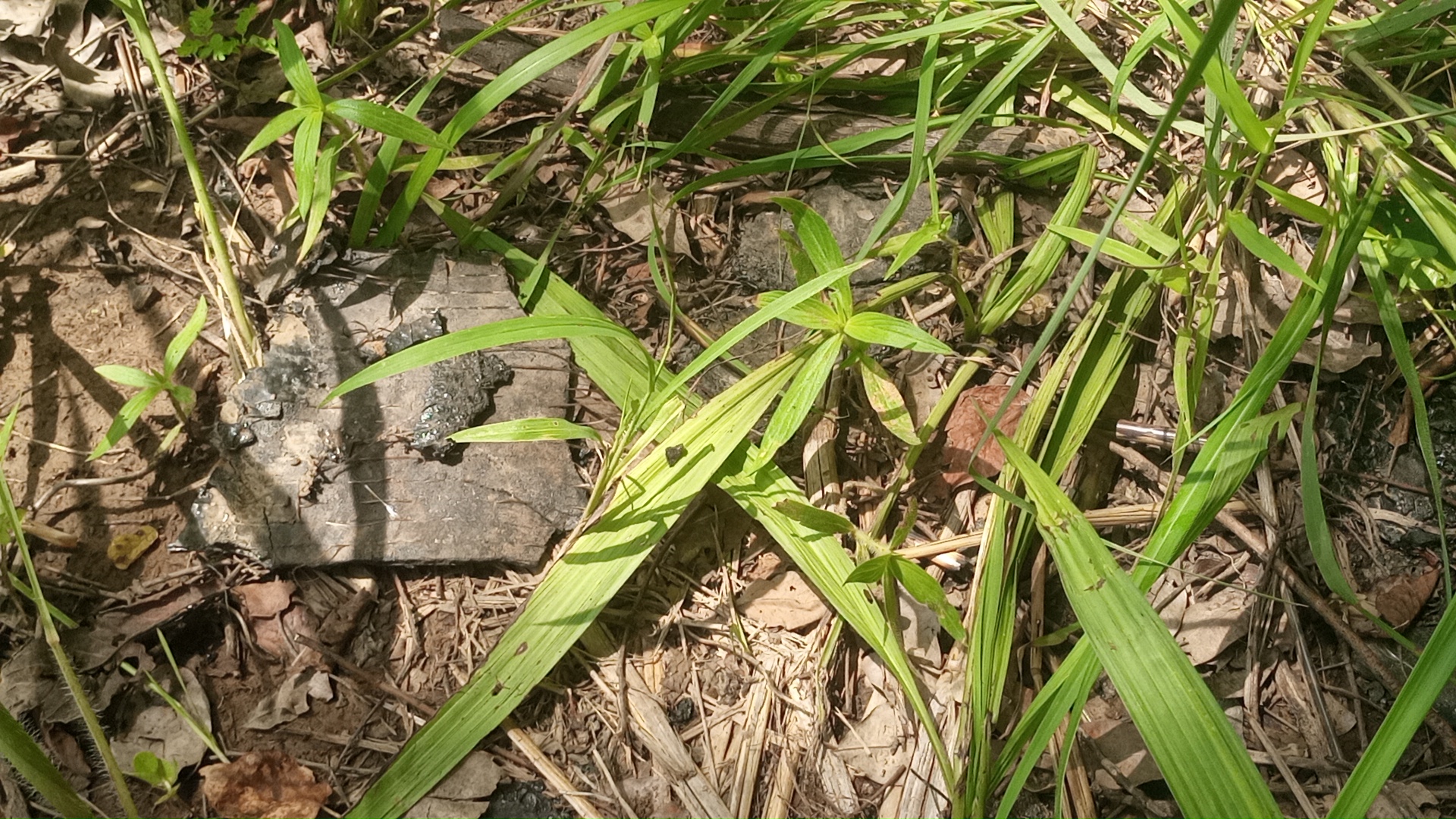
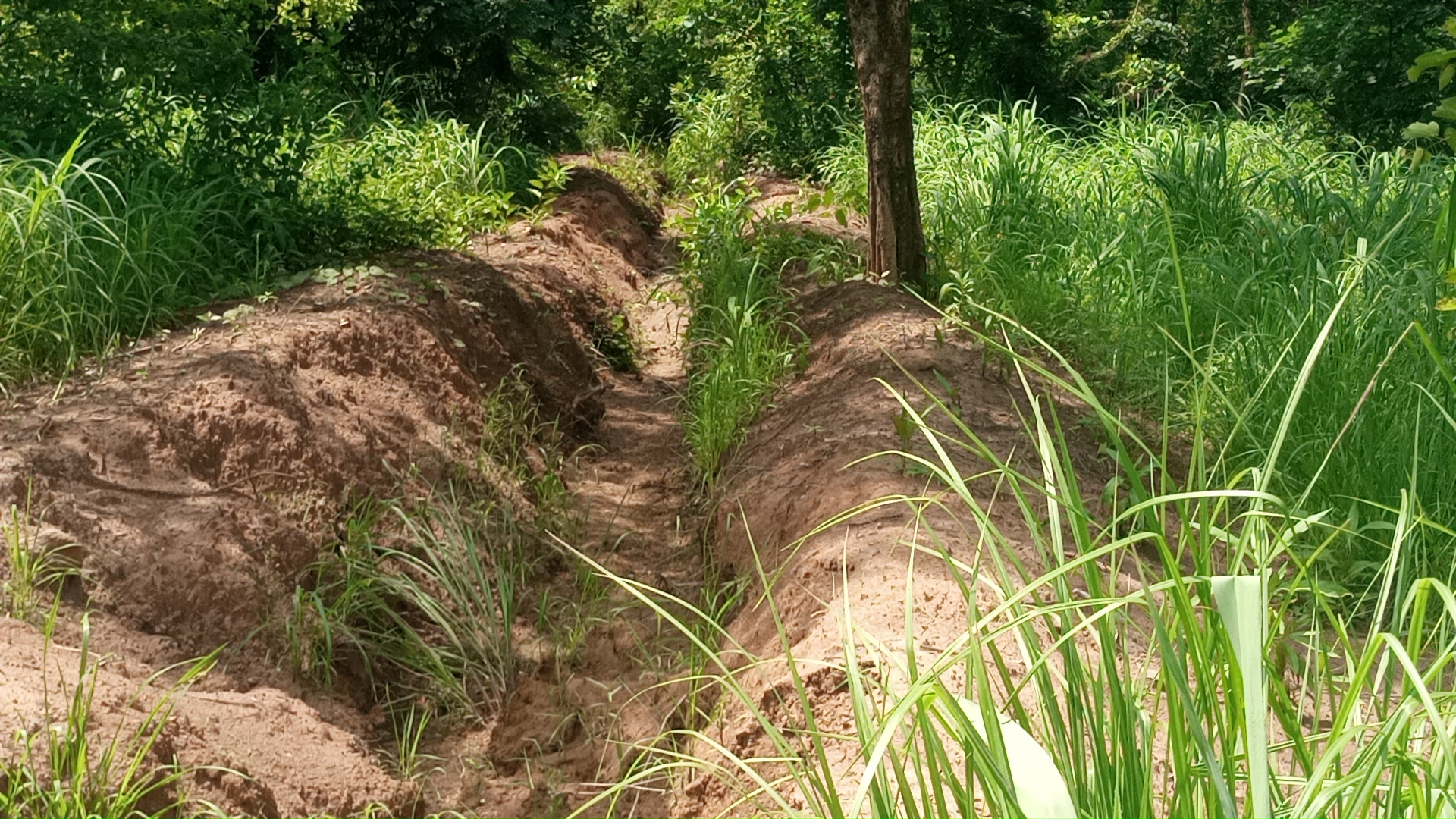
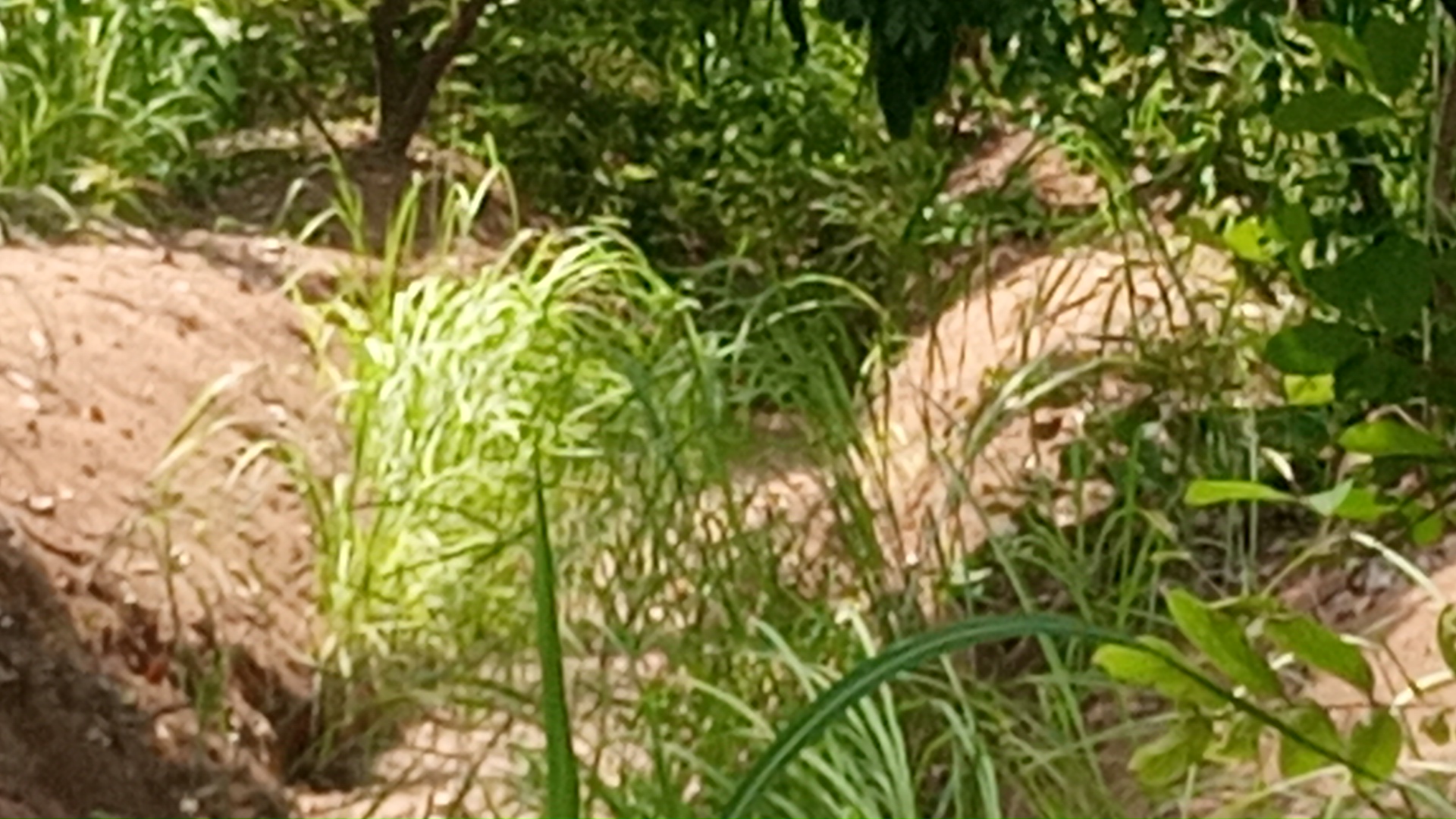
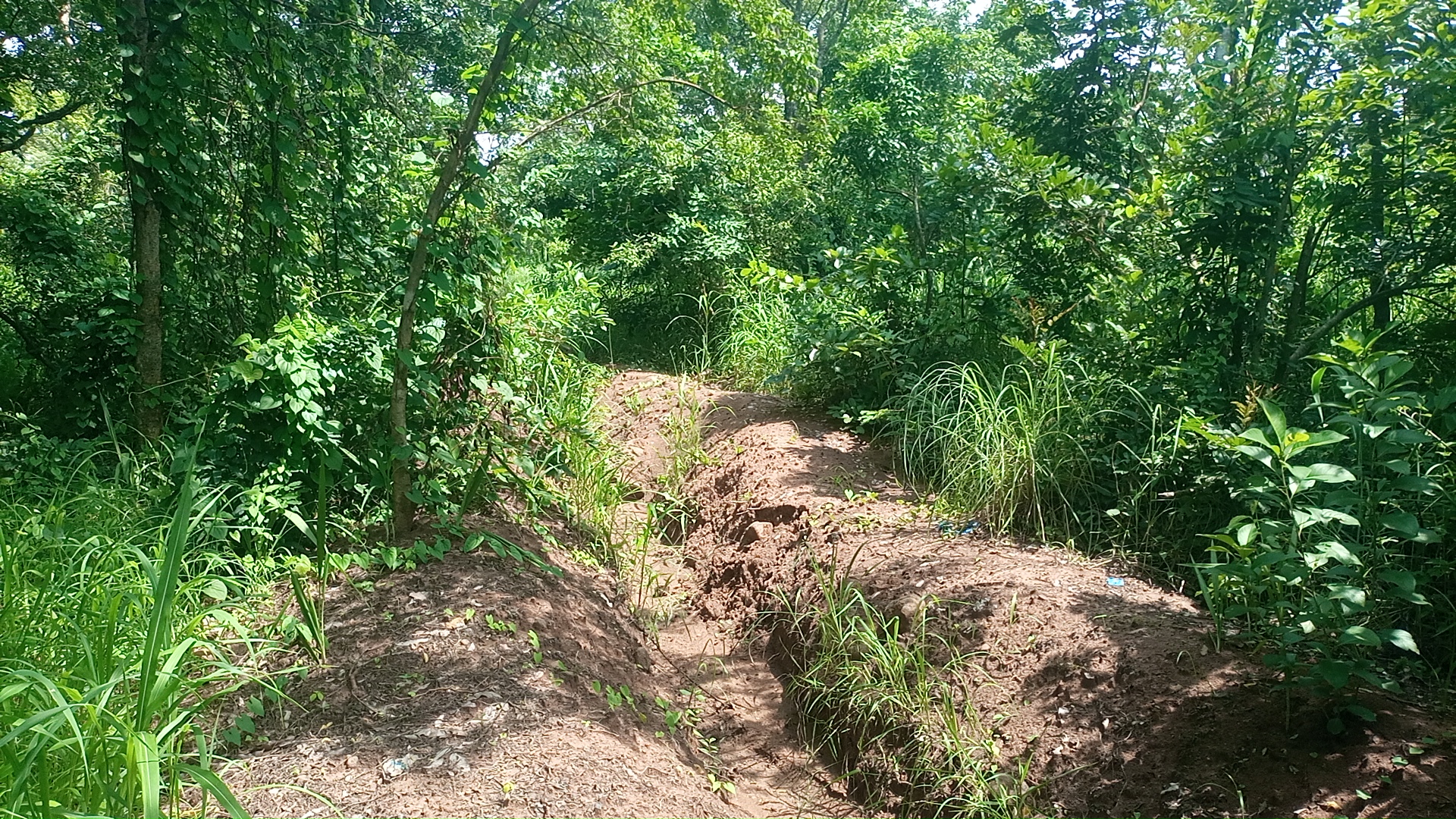
A major national security and economic sabotage has unfolded in Nigeria’s South-East as suspected pipeline vandals have excavated and removed more than three kilometres of a strategic high-pressure petroleum pipeline that transports refined petroleum products from Port Harcourt, Rivers State, to Kaduna in Northern Nigeria.
A SaharaReporters investigation revealed that the large-scale vandalisation occurred in remote forests straddling Eha-Amufu in Isi-Uzo Local Government Area of Enugu State and Obeagu Community in Ishielu Local Government Area of Ebonyi State, raising serious questions about security oversight and the protection of critical national infrastructure.
The affected pipeline forms part of Nigeria’s vital petroleum distribution network, conveying petroleum products from the Port Harcourt refinery corridor through several states to northern parts of the country.
During a visit to the scene, SaharaReporters observed extensive excavation trenches stretching across difficult terrain, with evidence suggesting that the operation was carried out over an extended period rather than as a hit-and-run criminal activity.
The scale of the operation indicates a highly organised network involving specialised equipment, logistics support and detailed knowledge of the pipeline route.
Reaching the vandalised section underscored the remoteness of the operation. It took SaharaReporters over three hours and twenty minutes to reach the area by motorcycle.
At one point, the journey became impossible by road, forcing this reporter and the commercial motorcyclist conveying them to abandon the motorcycle and trek more than two kilometres through dense forest before arriving at the site.
At the scene, large sections of the pipeline had already been excavated and removed, leaving behind deep trenches and signs of heavy mechanical activity.
Residents of both Eha-Amufu and Obeagu communities alleged that the operation was masterminded by a businessman in Ebonyi State, whose identity could not be ascertained at the time of filing this report.
According to multiple sources familiar with the operation, the suspect allegedly mobilised dozens of workers from Abakaliki area of Ebonyi State and established a makeshift camp inside the forest for weeks or even months while the excavation progressed.
One source told SaharaReporters: “I don’t know his real name. He came with more than 50 able-bodied men from Izzi. They spent over two months inside the bush excavating the pipeline.”
The source added that after exposing the buried infrastructure, the group deployed specialised cutting equipment to slice the pipes into transportable sections before evacuating them in trucks.
“They dug up the pipeline, cut it into pieces using heavy machinery and loaded the materials onto trucks. They lived in the forest throughout the operation. They evacuated the pipes in the dead of the night with assistance of corrupt elements in the security,” the resident said.
Residents expressed shock that such a large-scale operation could have continued for months without attracting decisive intervention from authorities.
Several sources alleged that multiple security agencies operating in the area were aware of the activities but chose to ignore it after being bribed.
“Security agencies in Eha-Amufu knew about it. The Forest Guards, police, soldiers and even the NSCDC were aware. Some stakeholders in both communities also knew what was happening,” one resident alleged.
The allegations could not be independently verified.
Particularly troubling are claims that some local youths who attempted to challenge the operation were allegedly threatened or induced to remain silent.
“Some youths who wanted to stop the excavation were reportedly threatened. Others were reportedly given as much as N1 million to back off,” another source claimed.
The vandalism occurred against the backdrop of a prolonged security crisis that has devastated communities in the border region between Enugu and Ebonyi states.
For years, Eha-Amufu, a border community between Enugu and Benue states, as well as neighbouring Obeagu, has been repeatedly attacked by armed groups, including suspected herdsmen, resulting in killings and kidnappings for ransom. The attacks have also led to the displacement of hundreds of farming families from their settlements.
Community leaders believe the resulting security vacuum may have created the conditions that enabled the pipeline excavation to continue largely unchecked.
When SaharaReporters contacted an executive of the newly inaugurated Obeagu Town Union, who spoke on condition of anonymity, he said the current community leadership was unaware of the operation until a few days earlier.
According to him, the community only recently emerged from more than a decade of leadership crisis during which no functional traditional or town union structures existed to coordinate local governance and security matters.
“The town union and traditional institution are still trying to stabilise after years without leadership. We were only elected and inaugurated in April and have met just once,” the town union executive said.
He promised that the matter would be discussed at upcoming meetings of the community leadership and reported to relevant authorities.
The town union executive linked the incident to the wider security challenges affecting the communities with no road access and network coverage.
“For over a decade, Obeagu had no effective leadership structure. At the same time, neighbouring communities in Eha-Amufu have been battling serious insecurity, including kidnappings and repeated herdsmen attacks,” the source said.
He noted that more than 150 farm settlements, locally known as Ndi-Agu, have been abandoned following attacks by armed groups.
According to him, the displaced farmers traditionally served as the first line of community surveillance, monitoring remote boundary areas and reporting suspicious activities.
“Those settlements used to provide eyes and ears for the communities. Once the people were displaced, vast areas became deserted and vulnerable. When nobody is living there, who is left to monitor what is happening?” he asked.
Security analyst, and human rights lawyer, Mr Gerald Moses, said the incident highlights the vulnerability of Nigeria’s critical infrastructure in remote and conflict-prone regions.
“The successful excavation and removal of kilometres of high-pressure pipeline over several weeks or months without detection or intervention raises questions about the effectiveness of existing surveillance systems protecting national energy assets,” he said.
Pipeline vandalism has long plagued Nigeria’s oil-producing regions, particularly in the Niger Delta. However, the apparent removal of a strategic inland petroleum products pipeline on this scale represents a significant escalation.
Moses, however, warned that such acts not only inflict billions of naira in economic losses but also threaten national energy security, environmental safety and public infrastructure.
Meanwhile, efforts by SaharaReporters to obtain official reactions from security authorities were unsuccessful.
The spokesperson for the Ebonyi State Police Command, SP Joshua Ukandu, did not respond to repeated telephone calls seeking comments on the allegations and the reported destruction of the pipeline.
As of the time of filing this report, the Nigerian National Petroleum Company Limited (NNPCL), the Nigeria Security and Civil Defence Corps (NSCDC), and military authorities operating in the area had not responded to inquiries regarding the vandalisation.