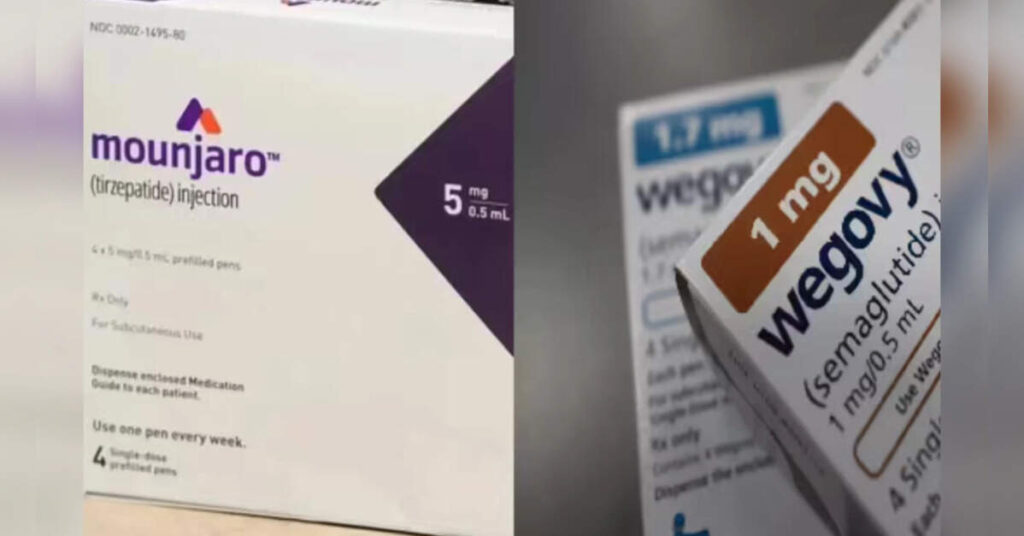
The US Food and Drug Administration has proposed new restrictions aimed at limiting the production of compounded versions of widely used weight-loss and diabetes medications, signalling a shift toward stricter oversight of the sector.
In a statement released on April 30, the agency said it intends to remove certain active ingredients used in these treatments from the list of bulk substances that outsourcing facilities are permitted to use for compounding, effectively narrowing when such versions can be legally produced.
FDA Commissioner Marty Makary said the move is intended to reinforce patient safety and uphold the integrity of the drug approval system, while still allowing space for public input through a transparent, science-based process.
At the centre of the proposal are key ingredients such as semaglutide, used in widely known diabetes and weight-loss drugs including Ozempic and Wegovy, as well as tirzepatide, found in treatments like Zepbound and Mounjaro. The proposal also includes liraglutide.
The agency said its review found no clinical justification for routine compounding of these substances when approved versions of the drugs are available, underscoring that compounding is only meant to address specific medical needs rather than replace authorised products.
Unlike generic medicines, compounded drugs are not individually evaluated or approved by regulators, even though they are prepared using approved ingredients. This distinction has raised concerns about consistency, quality control and accurate dosing.
Compounded versions of these medications had gained broader use during periods of high demand and supply shortages, when access to approved products was limited. However, regulators have increasingly raised safety concerns tied to that expanded use.
If finalised, the new rules would restrict compounding of these drugs to periods where official shortages are confirmed, rather than allowing wider production based on demand alone. The FDA is currently accepting public comments on the proposal until June 29.
Following the announcement, pharmaceutical markets reacted positively, with shares in Novo Nordisk and Eli Lilly both rising in early trading.